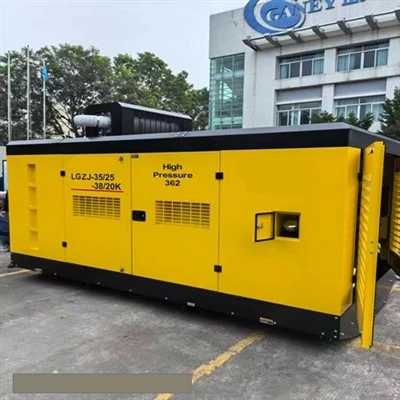
The escalating demand for efficiency and sustainability has significantly transformed the industrial landscape, and the air compressor market is no exception. As an energy-saving air compressor supplier, I have witnessed firsthand the dynamic shifts and emerging trends that are shaping the future of this industry. In this blog post, we will delve into the market trends of energy-saving air compressors, exploring the factors driving their growth, the benefits they offer, and the challenges that lie ahead.
The Driving Forces Behind the Growth of Energy-Saving Air Compressors
Energy Efficiency Regulations
In recent years, governments around the world have tightened energy efficiency regulations to reduce greenhouse gas emissions and promote the use of sustainable technologies. These regulations have had a profound impact on the air compressor market, pushing manufacturers to develop more energy-efficient models that meet or exceed the required standards. For instance, the European Union's Ecodesign Directive sets minimum energy efficiency requirements for air compressors, while in the United States, the Department of Energy (DOE) has established energy conservation standards for various types of air compressors.
Rising Energy Costs
The ever-increasing cost of energy is another major factor driving the adoption of energy-saving air compressors. As electricity prices continue to soar, businesses are looking for ways to reduce their energy consumption and lower their operating costs. Energy-saving air compressors offer a practical solution to this problem, as they are designed to consume less energy while providing the same level of performance as traditional air compressors. By investing in energy-saving air compressors, businesses can significantly reduce their energy bills and improve their bottom line.
Environmental Awareness
There is a growing awareness of the environmental impact of industrial activities, and businesses are under increasing pressure to adopt more sustainable practices. Energy-saving air compressors play a crucial role in this effort, as they help reduce carbon emissions and minimize the environmental footprint of industrial processes. By using energy-saving air compressors, businesses can demonstrate their commitment to sustainability and enhance their corporate social responsibility (CSR) image.
The Benefits of Energy-Saving Air Compressors
Lower Energy Consumption
The primary benefit of energy-saving air compressors is their ability to consume less energy compared to traditional air compressors. This is achieved through the use of advanced technologies such as variable speed drives (VSD), which adjust the compressor's speed according to the actual demand for compressed air. By reducing the energy consumption, energy-saving air compressors can help businesses save a significant amount of money on their energy bills.
Reduced Maintenance Costs
Energy-saving air compressors are also designed to be more reliable and require less maintenance compared to traditional air compressors. This is because they use fewer moving parts and operate at lower temperatures, which reduces the wear and tear on the compressor components. By reducing the maintenance costs, energy-saving air compressors can help businesses save money on maintenance and repair expenses.
Improved Performance
In addition to their energy-saving benefits, energy-saving air compressors also offer improved performance compared to traditional air compressors. They are designed to provide a more stable and consistent supply of compressed air, which is essential for many industrial processes. By improving the performance, energy-saving air compressors can help businesses increase their productivity and efficiency.
The Challenges Faced by the Energy-Saving Air Compressor Market
High Initial Cost
One of the main challenges faced by the energy-saving air compressor market is the high initial cost of these compressors. Energy-saving air compressors typically cost more than traditional air compressors, which can be a barrier for some businesses, especially small and medium-sized enterprises (SMEs). However, it is important to note that the higher initial cost of energy-saving air compressors is often offset by the long-term energy savings and reduced maintenance costs.
Lack of Awareness
Another challenge faced by the energy-saving air compressor market is the lack of awareness among businesses about the benefits of these compressors. Many businesses are not aware of the energy-saving potential of air compressors or the available technologies and solutions. This lack of awareness can make it difficult for energy-saving air compressor suppliers to promote their products and convince businesses to invest in them.
Technical Complexity
Energy-saving air compressors often incorporate advanced technologies such as VSD and intelligent control systems, which can make them more complex to operate and maintain compared to traditional air compressors. This technical complexity can be a challenge for some businesses, especially those with limited technical expertise. However, many energy-saving air compressor suppliers offer training and support services to help businesses overcome these challenges.
The Future Outlook of the Energy-Saving Air Compressor Market
Despite the challenges, the future outlook for the energy-saving air compressor market is promising. The increasing demand for energy efficiency, the growing awareness of environmental issues, and the continuous technological advancements are expected to drive the growth of this market in the coming years.
One of the key trends that is likely to shape the future of the energy-saving air compressor market is the integration of digital technologies. Digitalization is enabling the development of smart air compressors that can be monitored and controlled remotely, providing real-time data on energy consumption, performance, and maintenance needs. This allows businesses to optimize the operation of their air compressors and further improve their energy efficiency.
Another trend that is likely to gain traction in the future is the development of hybrid air compressors. Hybrid air compressors combine the advantages of different types of compression technologies, such as rotary screw and reciprocating, to achieve higher energy efficiency and performance. These compressors are expected to be particularly suitable for applications with variable air demand.
Our Product Range
As an energy-saving air compressor supplier, we offer a wide range of products to meet the diverse needs of our customers. Our product range includes Diesel-powered Air Compressor, Air Compressor for Well Drilling, 3125-3518 Two-stage Diesel Skid-mounted Screw Air Compressor, Twin-screw Air Compressor, and Portable Electric Air Compressor.
All our products are designed with energy efficiency in mind, incorporating advanced technologies such as VSD and intelligent control systems. We also offer comprehensive after-sales services, including installation, maintenance, and repair, to ensure that our customers get the most out of their air compressors.
Conclusion
In conclusion, the market for energy-saving air compressors is experiencing significant growth, driven by factors such as energy efficiency regulations, rising energy costs, and environmental awareness. These compressors offer numerous benefits, including lower energy consumption, reduced maintenance costs, and improved performance. However, the market also faces some challenges, such as high initial cost, lack of awareness, and technical complexity.


Despite these challenges, the future outlook for the energy-saving air compressor market is bright, with the integration of digital technologies and the development of hybrid air compressors expected to drive further growth. As an energy-saving air compressor supplier, we are committed to providing our customers with the latest technologies and solutions to help them achieve their energy efficiency goals.
If you are interested in learning more about our energy-saving air compressors or would like to discuss your specific requirements, please feel free to contact us. We look forward to the opportunity to work with you and help you find the best air compressor solution for your business.
References
- Department of Energy. (2023). Energy Conservation Standards for Compressors.
- European Commission. (2023). Ecodesign Directive for Air Compressors.
- Industry Research Report. (2023). Global Energy-Saving Air Compressor Market Analysis.