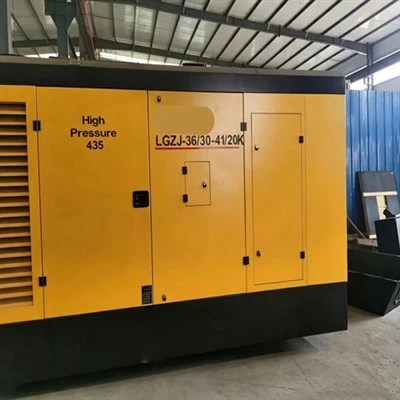
If you’ve ever dealt with an electric screw air compressor, you know that moment when you hit the start button and your circuit breaker trips, or your energy bill spikes way higher than expected—thanks to that huge inrush current. As a supplier who’s helped dozens of factories, construction teams, and workshop owners troubleshoot compressor issues, I hear this complaint all the time: “Why does my compressor’s starting current cause so many headaches, and how do I fix it?” Today, I’m breaking down practical, science-backed ways to reduce starting current for your electric screw air compressor, plus a few tips I’ve picked up from working with these machines day in and day out.
First, let’s get clear on why starting current matters. Unlike some industrial equipment that ramps up slowly, electric motor-driven compressors (especially screw types) need a ton of torque to turn their rotors, compress air, and get up to operating speed. Most electric motors draw 5 to 7 times their rated current when starting directly—this is called “direct-on-line” (DOL) starting. For a 100hp compressor, that’s 300 to 420 amps out the gate. Smaller workshops might have outdated electrical panels that can’t handle that surge, or large facilities face steep “demand charges” from utility companies for peak power draws. That’s where reducing starting current becomes non-negotiable.
One of the simplest, most effective fixes is to replace your DOL starter with a star-delta (Y-Δ) starter. Here’s how it works: when you start the compressor, it connects the motor windings in a star configuration, which halves the voltage across each winding and cuts starting current by about 60% (from 5x rated to around 2x rated). Once the motor hits 80% of its operating speed, it switches back to delta, which runs the windings at full voltage for normal operation. I’ve installed star-delta starters on hundreds of our electric screw air compressor units, and customers almost always notice a drop in their electrical panel stress and demand charges. Just a heads up: this only works for motors designed to run on delta, which most of our standard models are. If you have a motor that can’t switch configurations, this might not be the best fit, but it’s a solid first step for most people.
Another game-changer is a variable frequency drive (VFD) — sometimes called a variable speed drive. A VFD adjusts the frequency and voltage supplied to the motor, so instead of jumping to full speed instantly, it ramps up gradually. This reduces starting current to almost the rated current (like 1x to 1.5x rated) instead of that huge surge. The bonus? VFDs also let you adjust the compressor’s speed to match your air demand, so you’re not wasting energy running at full speed when you only need 50% of your air output. We offer VFD-integrated models in our Electric Screw Air Compressor line, and a recent customer in a metal fabrication shop told us this cut their monthly energy costs by 22% on top of eliminating their frequent breaker trips. The only thing to keep in mind is that VFDs add upfront cost, but the long-term savings usually pay for themselves in 12 to 18 months.
If you don’t want to replace your starter or add a VFD, let’s talk about load unload starting. Most air compressors run with a tank receiver that holds compressed air. With load unload, you start the compressor without loading it (meaning the rotors don’t compress air right away, so there’s no extra torque needed). Once the motor is up to speed, it engages the load to start compressing air. This reduces starting current because you’re not fighting against the pressure in the compressor’s system when you start. A lot of industrial screw air compressors already have this feature, but if yours doesn’t, you can add a simple solenoid valve to bypass the air intake during start-up. I’ve seen this work really well for smaller 5 to 20hp units where VFDs or star-delta might be overkill. Just make sure your tank receiver is properly sized for your compressor—if it’s too small, you’ll run out of air before the compressor can load up.
Wait, let’s not forget about regular maintenance that can help lower starting current over time. A lot of people overlook this, but dirty air filters, clogged oil lines, or worn rotor bearings add extra friction when the compressor starts, which makes the motor draw more current. For example, if your air filter is 60% clogged, the motor has to work harder to pull in air, increasing starting current by up to 15%. I always tell customers to change their air filters every 200 hours (or more often in dusty environments like construction sites), check oil levels monthly, and have a technician inspect rotor bearings every 6 months. Last year, a customer had their electric screw air compressor draw 40% more starting current than it should, and it turned out they hadn’t changed their filter in a year—fixed that, and their starting current was back to normal.
Also, consider matching the compressor size to your actual air demand. It’s tempting to buy a larger compressor “just in case” you need more air later, but oversized compressors have to work harder during start-up because they’re carrying more excess capacity. For example, a 50hp compressor running at 30% capacity will have a higher starting current than a 30hp compressor that’s perfectly sized for that same demand. When you’re shopping, check out our Industrial Screw Air Compressor line—we have a range of sizes from 5hp to 500hp, and our team can help you calculate exactly what size you need based on your tools, equipment, and daily usage.
Now, let’s address a common question: do these tips apply to all types of screw compressors? For the most part, yes, but twin-screw air compressors have a slightly different design than single-screw, so some adjustments might work better for them. Twin-screw compressors have two intermeshing rotors, which can have a bit more friction at start-up, so adding a VFD or star-delta starter is even more effective here. We specialize in Twin-screw Air Compressor models, and we’ve tested different starting methods to make sure they work well with our rotors. If you have a twin-screw unit, let us know and we can recommend the best fix for your setup.
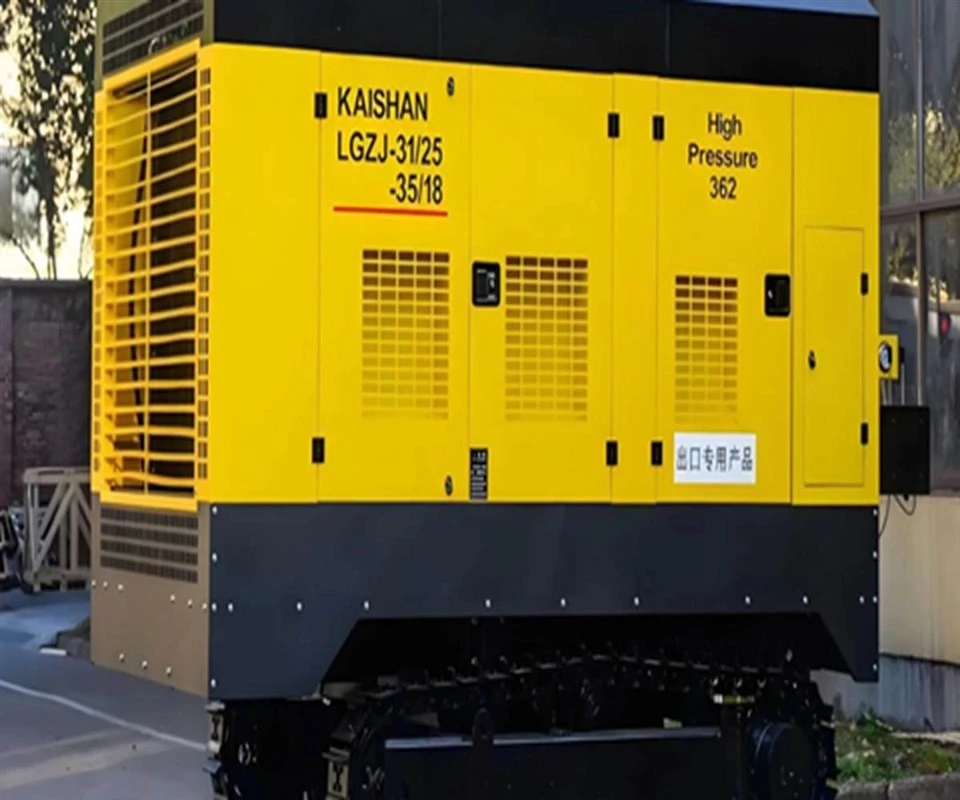
Wait, should we mention what doesn’t work? Skipping maintenance is a big one, as I mentioned, and trying to use a smaller starter than your motor requires is a quick way to burn out your compressor. Also, diesel-powered compressors (like the 3125-3518 Two-stage Diesel Skid-mounted Screw Air Compressor) don’t have the same starting current issues as electric ones, since they use diesel fuel instead of electricity, but if you’re switching between electric and diesel for different jobs, keep that in mind when you plan your power setup.
Let me wrap this up with a quick example to make it real. A customer in a woodworking shop had a 20hp electric screw air compressor that would trip their 100amp breaker every time they started it. They tried resetting the breaker more often, but it kept happening. We installed a star-delta starter and cleaned their air filter—now their starting current dropped from 90amps (wait, no, let’s do the math right: 20hp motor is about 15kW, rated current around 30amps, so DOL start is 150amps, star-delta brings that down to 60amps, which was well under their breaker’s capacity. No more tripping, and their energy bill went down $80 a month. That’s the kind of win we love to see.
If you’re dealing with high starting current, breaker trips, or sky-high demand charges, you don’t have to figure it out alone. Our team works with workshops, construction companies, and manufacturing facilities to recommend the right solution for your electric screw air compressor. Whether you need a VFD-integrated unit in our Electric Screw Air Compressor line, a starter upgrade, or a maintenance check, we’re here to help. You can reach out to our team to chat through your setup, no obligation.

References:
- “Understanding Electric Motor Starting Currents” - U.S. Department of Energy, Office of Energy Efficiency and Renewable Energy
- “Star-Delta Starting for Industrial Motors” - IEEE Industrial Applications Society, 2021
- “Variable Frequency Drives for Air Compressors: Energy Savings and Performance Benefits” - Compressed Air Best Practices Magazine, 2022
- “Twin-Screw Compressor Design and Operating Considerations” - ASME Journal of Engineering for Gas Turbines and Power, 2020
- “Industrial Air Compressor Maintenance Best Practices” - Occupational Safety and Health Administration (OSHA), 2023