If you’ve ever watched a water well drill team out in the field, chances are you haven’t noticed the tiny, easy-to-miss part of their setup that keeps the whole job from going sideways: the water level detection function on their well machinery. I’m a supplier of water well equipment, and I can’t tell you how many times I’ve seen new drill operators skip over this feature—only to end up drilling past the water table, wasting time, money, and fuel in the process. It’s not the flashy air compressor or impactor that makes the job work, but this unsung tool that tells you exactly where the water’s hiding. Let’s break down what it actually does, how it works, and why it’s non-negotiable for anyone drilling a well, big or small.
First, let’s set the scene. When you’re drilling a water well, you’re not just making a hole in the ground. You’re digging through all kinds of stuff: topsoil, clay, rock, sand, sometimes even old debris from past projects. Each layer changes how you have to run your drill, and the biggest, most critical milestone is hitting the water table—that underground zone where every crevice and pore in the rock and soil is filled with water. Before these detection tools became standard, drillers would just guess how deep to go, or keep drilling until their drill rods got wet, which often meant over-drilling (a nightmare for costs) or under-drilling (so the well never produces enough water). That’s where the water level detection function steps in.
At its core, this function is a combination of sensors, pressure gauges, and sometimes even simple transducers mounted right to the well machinery’s drill string or the pump unit. The basic idea is to measure changes in pressure or conductivity as the drill bit moves through different layers; once it hits the saturated zone, those numbers shift dramatically, and the system sends a clear alert to the operator. No more stopping every 10 feet to lower a bucket or test the water flow manually—you get real-time data the whole time you’re drilling.
Wait, let’s get specific about how the tech works, because it’s not just one thing. Most modern detection systems use either pressure transducers or conductivity sensors. Pressure transducers sit at the end of the drill bit (or just above it) and measure the pressure from the surrounding ground as you drill. When you’re in dry soil, the pressure is low and steady; when you hit the water table, the pressure spikes because the saturated material is denser and presses harder on the drill. Conductivity sensors work because water (especially groundwater) conducts electricity way better than dry rock or soil, so the sensor picks up a jump in conductivity the second it touches water. Some rigs even combine both, so you have a backup if one sensor glitches out in rocky terrain.
Now, why does this matter for you? If you’re a small-scale farmer drilling a well for your crops, over-drilling just adds unnecessary feet of drill pipe—think of it like buying 20 extra feet of straw you don’t need to reach your drink. For commercial drillers working on multi-well projects, those extra feet add up fast: more drill pipe to haul, more fuel to power your rig, more time waiting for the drill to reset after going too deep. I’ve had customers tell me that adding a good detection function cut their drilling time per well by almost 2 hours on average—and time is money in this business.
It’s also not just about saving costs. Accurate water level data means you don’t damage existing aquifers or drill into unstable rock layers that could cause the well to collapse. I’ve seen rigs that skipped the detection function hit a shale layer 50 feet below the water table, which cut off the water flow entirely and left the driller with a useless hole. That’s a total do-over, and no one wants to redo a well when they could’ve just had a little real-time feedback.
Now, let’s talk about how this ties into the rest of the water well machinery you’re using, because the detection function doesn’t exist in a bubble. Your drill bit, for example, works hand in hand with the detection sensors. The Water Well Drilling Rig Drill Bit is what’s cutting through the ground, so if your bit is dull, you’ll get inconsistent pressure readings, which messes up the detection. That’s why I always recommend keeping sharp, high-quality bits on hand—no sense in paying for a fancy detection system if your cutting tool is holding you back.
Then there’s the drill pipe. Downhole Weighted Drill Pipe adds stability to the drill string, which keeps the sensors aligned so they’re not shifting around inside the well as you drill. If your pipe is wobbly, your pressure readings will be all over the place, and you might miss the exact spot where the water hits. The Downhole Drilling Drill Rod is another key part—its length has to match the depth you’re drilling, so if you’re using the wrong rod, you won’t get accurate distance readings alongside your water level data.
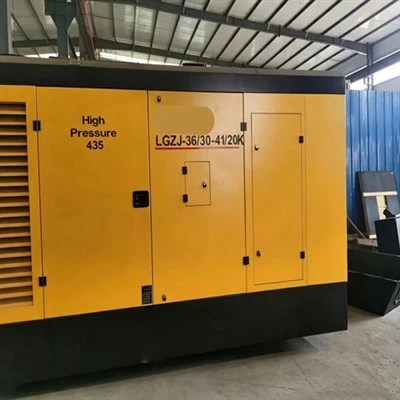
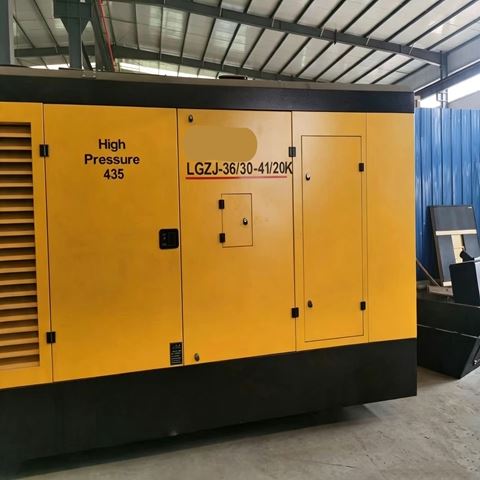
Even the air compressor plays a role here. A 3630-4120K Two-stage Diesel Skid-mounted Screw Air Compressor provides steady airflow to lift drill cuttings out of the well as you go, which keeps the drill string clear so the sensors can transmit data properly. If your compressor is sputtering or not putting out enough air, the cuttings build up around the bit, and you’ll get false pressure readings that make you think you hit water when you didn’t. And don’t sleep on the Water Well Drilling Rig Impactor—it’s what breaks up hard rock so your drill can move fast, so you’re not wasting time in dry layers where the detection function is still looking for a water change.
I know what you’re thinking: this all sounds like a lot of moving parts, but the good news is that modern detection systems are super user-friendly, even if you’re not a tech expert. Most systems have a digital dashboard right on the rig that shows you a graph of pressure or conductivity as you drill, so you can track the shift from dry to saturated in real time. You can even set up alerts—some will beep or flash a light when the system detects a sudden change, so you don’t have to stare at the screen 100% of the time. That’s a game-changer for long drilling days, when you’re tired and your focus starts to slip.
Let me share a quick story from a customer I had last year. He’s a small drilling company in West Texas, where the water table is pretty deep but can shift a lot between different parts of a property. He was drilling three wells for a local ranch, and before he started, he was planning to drill 100 feet past the expected water level to be safe. But he swapped to a rig with our standard water level detection set-up, and on each well, he stopped just 2 feet after the water hit—no over-drilling, no wasted materials. He told me he saved almost $1,500 in drill pipe and fuel on that job alone, which is a big win for a small business.
Now, I want to be honest: there are a few myths out there about these detection functions. Some drillers think they only work for shallow wells, but that’s not true—we’ve seen them work flawlessly on wells over 1,000 feet deep. Others think they’re too expensive for their rig, but when you factor in the time and materials you save, they pay for themselves on almost every job. I’ve seen drillers try to save money by using a cheap, off-brand detection system, and they always end up having to re-drill or deal with faulty data, which costs way more in the long run.

Another thing to note: water level detection isn’t just for finding the initial water table. It’s also useful for monitoring after the well is drilled. Once you’ve finished, the system can track how the water level drops when the pump is running, which tells you how much water the well can produce. That data is critical for making sure the well meets the landowner’s needs, whether it’s for a small home, a farm, or a commercial operation. If you don’t track that, you might end up with a well that can’t supply enough water for what it’s meant for.
So, if you’re in the market for water well machinery, don’t overlook the detection function. It’s not a luxury—it’s a tool that keeps your jobs on schedule, under budget, and results in a well that works. And as your supplier, I’ve got all the parts you need to make your system work: from the right drill bits and pipes to the air compressor that keeps your rig running smooth. If you’ve got questions about how to integrate a water level detection system into your current setup, or want to learn more about the equipment I mentioned earlier—like the 3630-4120K Two-stage Diesel Skid-mounted Screw Air Compressor, the Water Well Drilling Rig Impactor, Downhole Drilling Drill Rods, Water Well Drilling Rig Drill Bits, or Downhole Weighted Drill Pipe—reach out to my team. We can walk you through what works for your specific drilling needs, no pressure, no confusing jargon.
Before I wrap up, let’s make sure we didn’t miss anything important. The water level detection function is all about precision—turning vague guesswork into concrete, real-time data. It’s the quiet workhorse that keeps your drilling on track, and when paired with high-quality parts like the ones we supply, it makes every well job easier and more profitable. I’ve been in this business for years, and I’ve seen firsthand how skipping this step leads to headaches, delays, and wasted money. Why deal with that when you can have a system that tells you exactly where the water is, when you need it?
If you’re ready to upgrade your water well machinery or just want to chat about how to make your drilling process more efficient, get in touch with my team today. We’re here to help you find the right gear, answer your questions, and make sure your next well project goes off without a hitch.
References
- American Ground Water Trust. (2022). Modern Drilling Technologies for Domestic and Agricultural Water Wells. AGWT Publications.
- National Ground Water Association. (2021). Water Well Drilling and Maintenance Best Practices. NGWA Press.
- International Association of Drilling Contractors. (2023). Guidelines for Downhole Sensor Use in Water Well Drilling. IADC Technical Reports.
- U.S. Environmental Protection Agency. (2020). Private Water Well Construction and Testing Standards. EPA Office of Water.