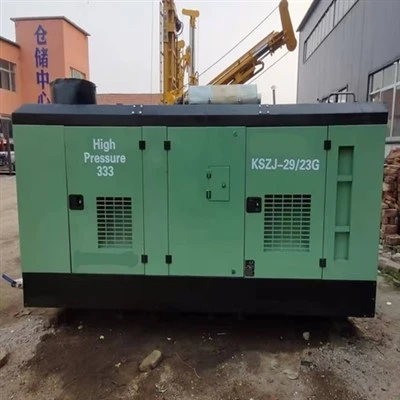
Upgrading a diesel-powered air compressor can be a game-changer for many businesses. As a supplier of Diesel-powered Air Compressor, I've seen firsthand how a well-executed upgrade can boost efficiency, reliability, and overall performance. In this blog, I'll walk you through the steps and considerations for upgrading your diesel-powered air compressor.
Why Upgrade?
Before we dive into the how-to, let's quickly touch on why you might want to upgrade your air compressor in the first place. Maybe your current compressor is old and prone to breakdowns. Or perhaps you need more power and capacity to keep up with growing business demands. Upgrading can provide better energy efficiency, meaning lower fuel costs over time. It can also reduce maintenance needs, saving you time and money. And let's not forget about improved performance, which can lead to higher productivity and better-quality work.


Assessing Your Current Compressor
The first step in upgrading is to take a good look at your existing diesel-powered air compressor. Check its age, condition, and performance. How often does it break down? What kind of maintenance does it require? Look at the compressor's specifications, such as its horsepower, cubic feet per minute (CFM), and pounds per square inch (PSI). These numbers will help you determine what kind of upgrade you need.
For example, if your business has expanded and you're now running more pneumatic tools simultaneously, you'll likely need a compressor with a higher CFM rating. On the other hand, if you're facing high fuel costs, an upgrade to a more energy-efficient model could be the way to go.
Researching Options
Once you have a clear idea of what you need, it's time to research your upgrade options. There are several types of air compressors available, each with its own advantages and disadvantages.
- Electric Screw Air Compressor: These compressors are known for their high efficiency and reliability. They're a great option if you have access to a reliable power source and don't need the portability of a diesel-powered unit.
- Air Compressor for Well Drilling: If your business involves well drilling, these specialized compressors are designed to meet the unique demands of the job, such as high pressure and continuous operation.
- Twin-screw Air Compressor: Twin-screw compressors are known for their smooth operation and high performance. They're often used in industrial applications where a large volume of compressed air is required.
- Reciprocating Piston Air Compressor: These compressors are simple in design and relatively inexpensive. They're a good option for smaller businesses or applications where intermittent use is expected.
Choosing the Right Compressor
When choosing an upgraded compressor, there are several factors to consider besides the type. Here are some key points:
- Power and Capacity: Make sure the new compressor has enough power and capacity to meet your current and future needs. Look at the CFM and PSI ratings to ensure they're sufficient for your operations.
- Fuel Efficiency: If you're still using a diesel-powered compressor, look for a model that offers better fuel efficiency. This can save you a significant amount of money in the long run.
- Portability: If you need to move the compressor around your worksite or to different job locations, consider a portable model. Look for features like wheels and a lightweight design.
- Noise Level: Some compressors can be quite noisy, which can be a problem if you're working in a residential area or in close proximity to other workers. Look for a compressor with a low noise level.
- Maintenance Requirements: Different compressors have different maintenance needs. Choose a model that is easy to maintain and has readily available parts.
Installation and Transition
Once you've chosen the right compressor for your upgrade, it's time to install it. If you're not experienced with air compressor installation, it's best to hire a professional. They'll ensure that the compressor is installed correctly and safely.
During the installation process, you'll also need to transition from your old compressor to the new one. This may involve disconnecting the old unit, installing the new one, and making any necessary adjustments to your pneumatic system. Make sure to follow the manufacturer's instructions carefully to avoid any issues.
Training and Familiarization
After the new compressor is installed, it's important to train your employees on how to use it properly. Provide them with the necessary training materials and hands-on instruction. Make sure they understand the compressor's controls, safety features, and maintenance requirements.
Familiarization with the new compressor will help your employees operate it efficiently and safely. It will also reduce the risk of breakdowns and premature wear.
Maintenance and Support
Once your upgraded compressor is up and running, regular maintenance is key to ensuring its longevity and performance. Follow the manufacturer's recommended maintenance schedule, which may include tasks such as oil changes, filter replacements, and inspections.
As a Diesel-powered Air Compressor supplier, we offer comprehensive maintenance and support services. Our team of experts can help you with everything from routine maintenance to major repairs. If you have any questions or need assistance, don't hesitate to reach out to us.
Contact Us for Your Upgrade Needs
If you're considering upgrading your diesel-powered air compressor, we're here to help. Our wide range of air compressors, including Electric Screw Air Compressor, Air Compressor for Well Drilling, Twin-screw Air Compressor, and Reciprocating Piston Air Compressor, offers solutions for every business need. Contact us today to discuss your requirements and start the upgrade process. Our team of experts is ready to assist you in choosing the best air compressor for your business and providing top-notch support along the way.
References
- Compressor Handbook, various industry publications
- Manufacturer's manuals for different air compressor models