Hey there! I'm working for a water well machinery supplier, and I've seen firsthand how important it is to operate this kind of machinery safely. So, in this blog, I'm gonna share some tips and tricks on how to operate water well machinery without getting into any trouble.
Pre - operation Checks
Before you even think about firing up the water well machinery, you've gotta do some thorough pre - operation checks. First off, check all the components. Make sure the Drill Rod Of Well Drilling Rig is in good condition. Look for any signs of wear, cracks, or bends. A damaged drill rod can not only affect the drilling process but also pose a serious safety risk.
Next, inspect the Water Well Drilling Rig Drill Bit. The drill bit is the business end of the operation. It needs to be sharp and free from any clogging. A dull or clogged drill bit will reduce the efficiency of the drilling and might cause the machinery to overwork, leading to potential breakdowns or accidents.
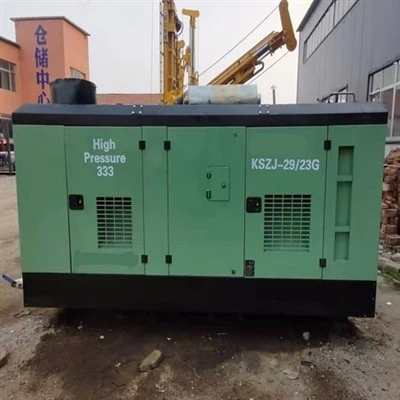
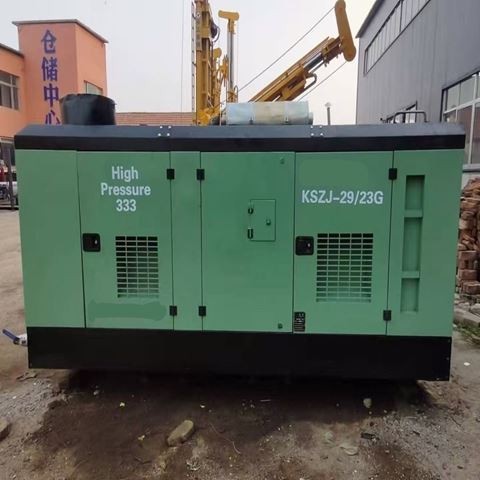
Also, don't forget about the air compressor. If you're using a 29 - 23G Two - stage Diesel Skid - mounted Screw Air Compressor, check the oil level, air filters, and hoses. Low oil levels can cause the compressor to overheat, and damaged hoses can result in air leaks, which are not only wasteful but can also be dangerous.
Personal Protective Equipment (PPE)
Wearing the right PPE is non - negotiable when operating water well machinery. Let's start with the basics. Safety goggles are a must. They protect your eyes from flying debris, dust, and other particles that can be kicked up during the drilling process. You don't want something getting in your eye and causing you to lose your vision.
Hard hats are also essential. There's always a risk of something falling from above, like loose parts or tools. A hard hat can save you from serious head injuries. Steel - toed boots are another important piece of PPE. They protect your feet from heavy objects, sharp tools, and any potential crush injuries.

Don't forget ear protection. The machinery can be really noisy, and prolonged exposure to high - decibel sounds can lead to hearing loss. And if you're working in an area where there's a risk of inhaling dust or fumes, use a respirator. It'll keep your lungs healthy.
Operating Procedures
When it comes to actually operating the water well machinery, there are some key procedures to follow. First, make sure you're familiar with the control panel. Each machine has its own set of controls, and you need to know what each button and lever does. Read the operator's manual thoroughly before you start.
Keep your hands and fingers away from moving parts. Whether it's the drill bit, the drill rod, or the gears, moving parts can easily catch your fingers and cause serious injuries. You should also maintain a safe distance from the equipment when it's in operation. If something goes wrong, like a sudden break or malfunction, you don't want to be in the line of fire.
When it's time to change the drill bit or the drill rod, shut down the machinery completely. Wait for all the moving parts to come to a stop before you start making any changes. Changing parts while the machine is running is extremely dangerous and can lead to accidents.
Maintaining the Machinery
Regular maintenance is crucial for the safe operation of water well machinery. This includes changing the oil in the engines, replacing worn - out parts, and lubricating moving parts. By doing regular maintenance, you can prevent breakdowns and extend the lifespan of the machinery.
For example, the Down - the - hole Hammer needs to be inspected regularly. Check for any signs of wear, damage, or leakage. A faulty down - the - hole hammer can affect the drilling performance and also pose a safety risk.
The Drilling Rig Alloy Drill Bits also need proper care. After each use, clean the drill bits thoroughly to remove any dirt and debris. If the bits are worn out, replace them immediately. Using worn - out drill bits can not only make the drilling process more difficult but can also cause the machinery to malfunction.
Safety Training
Lastly, proper safety training is a must for anyone operating water well machinery. Everyone on the job site should be trained on how to operate the machinery safely, how to use PPE correctly, and what to do in case of an emergency.
Training should cover everything from basic safety procedures to more advanced topics like emergency shutdowns and first aid. It's a good idea to have regular safety meetings to go over safety protocols and to address any concerns or questions that the operators might have.
Conclusion
Operating water well machinery safely is all about being prepared, following the rules, and taking good care of the equipment. By doing pre - operation checks, wearing the right PPE, following proper operating procedures, maintaining the machinery, and getting proper safety training, you can significantly reduce the risk of accidents.
If you're in the market for high - quality water well machinery, we've got you covered. Our range of products, including the ones I've mentioned above, are designed for safety and efficiency. Whether you need drill rods, drill bits, air compressors, or impactors, we have what you need. Don't hesitate to reach out to us for more information and to discuss your procurement needs. We're always happy to help you find the best solutions for your water well projects.
References
- OSHA Guidelines for Construction and Heavy Machinery Operations
- Manufacturer's Operator Manuals for Water Well Machinery