If you rely on an air compressor to keep your operations running, whether it’s powering tools on a construction site, assisting with industrial manufacturing, or supporting well drilling projects, you know this equipment is the unsung workhorse of many businesses. But here’s the thing: even the most durable air compressors won’t perform at their best, or last as long as they should, without regular, consistent maintenance. As a supplier who’s spent years working directly with businesses to find the right compressed air solutions, I’ve seen firsthand how skipping simple maintenance tasks leads to unexpected breakdowns, costly repairs, and lost productivity. Today, I’m breaking down the most common maintenance tasks every air compressor owner should prioritize, and how the right equipment—like the solutions we offer—can make this process easier.
Let’s start with the basics: air compressors work by drawing in ambient air, compressing it, and storing it for use, so they’re constantly exposed to dust, moisture, and wear and tear from moving parts. Neglecting small, routine tasks is like ignoring a ticking time bomb in your workspace; it can turn a minor issue into a major overhaul that keeps your machines offline for days. I’ve had customers come to us after a sudden compressor failure for a well drilling project, only to find that they’d skipped draining the moisture tank for months—water had corroded internal valves and caused the entire unit to seize. That’s an avoidable mistake, so let’s dive into the tasks that will keep your compressor running smoothly.
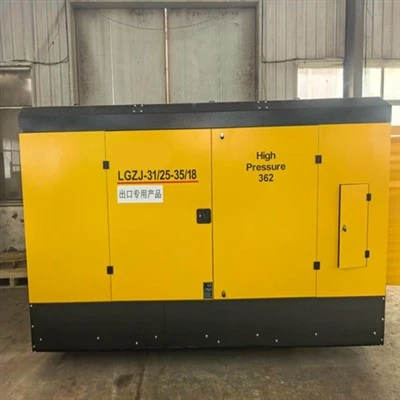
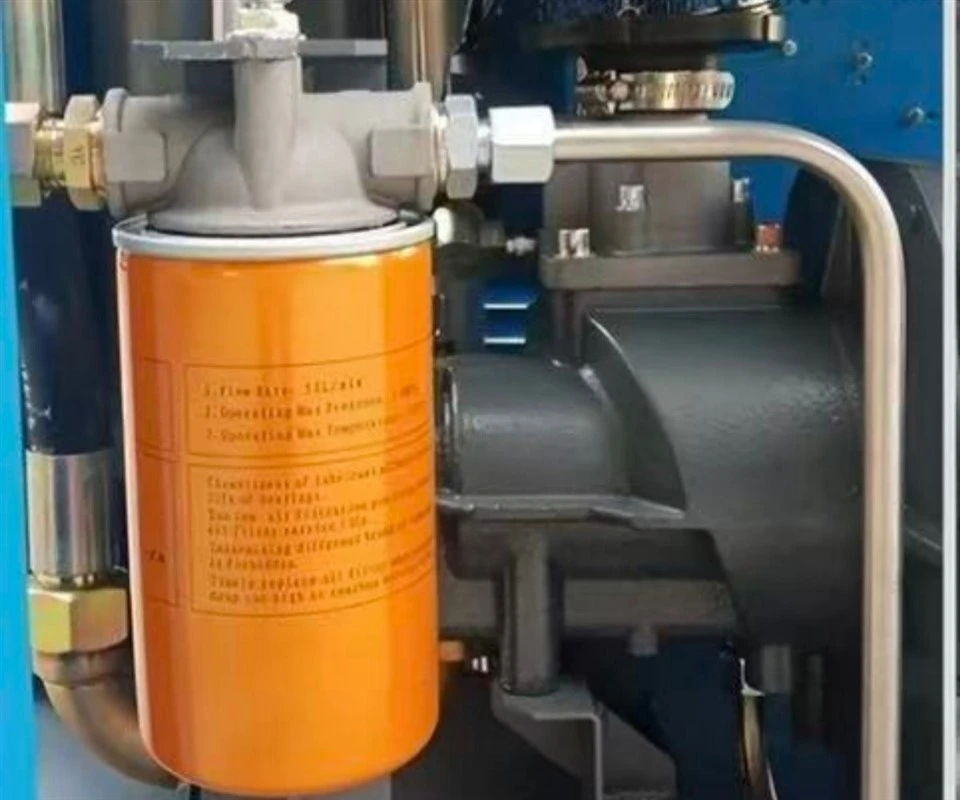
First on the list: regular air filter inspection and replacement. The air filter is your compressor’s first line of defense against contaminants, and it’s designed to trap dust, dirt, and debris before they get into the compressor’s core components. If the filter gets clogged, it forces the compressor to work much harder than it needs to—this increases energy consumption, strains the motor, and reduces the quality of the compressed air it produces. For example, if you’re using an Air Compressor for Wells—which operates in outdoor, dusty drilling sites—air filter clogging is especially common. We recommend checking the air filter every 40 to 50 operating hours, or more frequently in harsh, dirty environments. How do you know when it needs to be replaced? Most filters have a pressure gauge indicator that will light up or trigger an alarm when the filter is too dirty, but if you don’t have that, a quick visual check works too: if the filter is caked in grime, it’s time for a change. For heavy-duty applications, like our 3125-3518 Two-stage Diesel Skid-mounted Screw Air Compressor, we recommend using OEM (original equipment manufacturer) filters to ensure a proper fit and maximum efficiency—generic filters can allow small particles through, leading to long-term damage.
Next, moisture and condensate removal is non-negotiable. When air is compressed, its moisture content rises, and that water vapor will condense into liquid water as the air cools. This condensate is harmful: it can corrode the compressor’s tank, lines, and tools, and it’s especially problematic for applications like well drilling where you need dry, clean air. Every air compressor has a condensate drain, whether it’s manual or automatic, and draining this tank should be part of your daily routine (or after every 8 hours of operation, whichever comes first). If you own a large industrial unit like the Industrial Screw Air Compressor, it may have larger condensate tanks that can hold more moisture, so you’ll want to check them twice a day. Automatic drains are a great investment here—they release condensate on a schedule without you having to remember, which is perfect for teams working long hours or on remote sites. I once worked with a well drilling crew that had a manual drain they forgot to check over a weekend; the water froze in the line, burst a pipe, and cost them $2,000 in repairs and a missed project deadline. That’s why this task is so important.
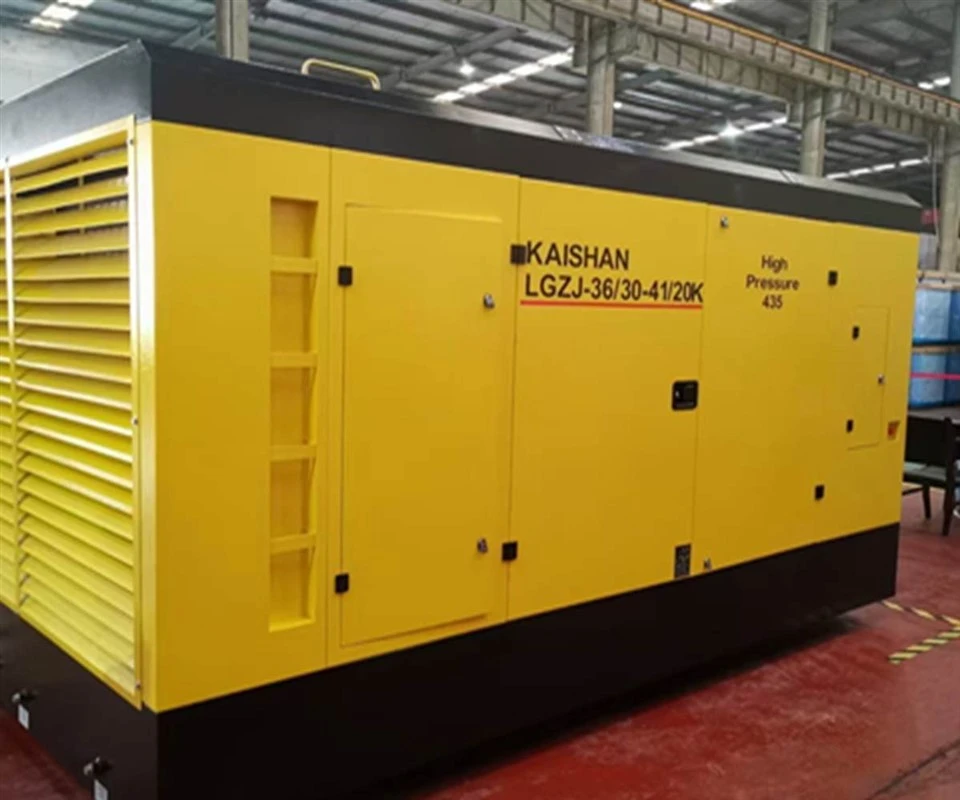
Third, oil level and quality checks (for oil-lubricated compressors) are critical for extending your compressor’s lifespan. Screw air compressors—especially two-stage diesel models like the 3630-4120K Two-stage Diesel Skid-mounted Screw Air Compressor—rely on oil to lubricate the rotating screws, reduce friction, and cool the internal components. If the oil level is too low, metal parts will grind against each other, causing overheating and permanent damage. If the oil is old or contaminated, it won’t do its job properly. We recommend checking the oil level before every shift, using the dipstick or sight glass on your compressor to ensure it falls between the “min” and “max” marks. For oil quality, change the oil every 2000 to 3000 operating hours, or as specified in your compressor’s manual—if the oil looks dark, gritty, or has a milky appearance (a sign of water contamination), you should change it immediately. When choosing oil, make sure it’s the type recommended by your compressor manufacturer; using the wrong oil can void your warranty and cause performance issues. For electric models like the Electric Screw Air Compressor, the maintenance is similar, though their oil change intervals may be slightly longer, so always refer to the product’s guidelines.
Fourth, tightness checks for hoses, fittings, and mounting components. Vibration from a running compressor can cause bolts, hoses, and connections to loosen over time, which can lead to air leaks, safety hazards, or even parts falling off. A small air leak might not seem like a big deal, but it can waste up to 30% of your compressor’s energy— that’s hundreds of dollars in extra utility bills every year. To catch leaks, do a quick visual inspection of all hoses and fittings every week, and listen for hissing sounds when the compressor is running (that’s a sign of a leak). You can also use a soapy water solution: spray it on connections, and if bubbles form, you have a leak. Tighten any loose fittings, and replace hoses that are cracked, worn, or brittle. For skid-mounted compressors used in construction or drilling, the mounting bolts on the skid itself can also work loose, so give them a torque check every few months to keep the unit stable, especially when it’s being transported between job sites.
Fifth, belt and pulley maintenance (for belt-driven compressors). Many smaller and mid-sized compressors use belts to transfer power from the motor to the compressor pump, and over time, these belts can stretch, crack, or wear out. A loose belt will slip, reducing the compressor’s efficiency, while a worn belt can break suddenly, shutting down your operations. To maintain belts, check their tension every month: if you press down on the belt midway between the pulleys, it should only deflect about ½ to ¾ of an inch. If it’s too loose or too tight, adjust the motor mount to tighten or loosen it. Also, inspect belts for signs of wear, like fraying, cracking, or glazing (a shiny surface from overheating), and replace them immediately if you see any damage. For direct-drive compressors, which are becoming more popular for their reliability and lower maintenance, you won’t need to worry about belts, but you will still need to check the motor alignment regularly to ensure it’s running smoothly.
Sixth, filter and line inspection for the compressed air system. Beyond the main air intake filter, many compressors have after-filters and drying systems that remove oil vapor and other contaminants from the compressed air. These filters also need regular checks and replacement—usually every 6 to 12 months, depending on usage. If you use your compressor for sensitive applications like well drilling, where air quality affects drilling performance, a clogged after-filter can introduce contaminants into the air line, leading to subpar results. Additionally, the entire air line system should be checked for corrosion, damage, or blockages every quarter. For industrial facilities with long air lines, pressure drops can be a big issue, so making sure lines are properly sized and free of obstructions will keep your compressor running efficiently.
Now, you might be wondering, “How do I fit all this maintenance into my busy schedule?” That’s where choosing the right compressor comes in. Our range of air compressors is designed for easy maintenance, with accessible components and clear guidelines to make routine tasks quick and simple. Whether you need a heavy-duty diesel model for remote construction sites, an electric unit for indoor industrial use, or a compact model for well drilling operations, we have a solution tailored to your needs. The 3125-3518 Two-stage Diesel Skid-mounted Screw Air Compressor, for example, has a side panel that gives easy access to the air filter, oil fill, and condensate drain, so you don’t have to disassemble half the unit to complete routine checks. The Electric Screw Air Compressor line has digital monitoring systems that track oil levels, filter life, and pressure in real time, sending alerts when maintenance is due—taking the guesswork out of scheduling tasks.
It’s also important to remember that maintenance isn’t just about avoiding breakdowns; it’s about getting the most out of your investment. A well-maintained air compressor can last 10 to 15 years, while a neglected one might need to be replaced in 5 years or less. That’s a huge difference in cost over time. Last year, a customer who bought our Industrial Screw Air Compressor 7 years ago came back to us for a replacement part, and when we checked its maintenance records, they’d followed every task we recommended—their unit still ran like new, with only minor repairs over the years. On the other hand, another customer who skipped maintenance on a competing unit had to replace the entire pump after 3 years, costing them almost half the price of a new compressor.
If you’re not sure where to start with your current compressor, or if you’re in the market for a new unit that’s easy to maintain, we’re here to help. Our team has years of experience working with different industries, from construction to well drilling to manufacturing, and we can guide you in choosing the right compressor for your specific needs. We also offer maintenance resources and support to help you keep your equipment running at peak performance.
Ready to find an air compressor that fits your operations and makes maintenance straightforward? Explore our range of products to see how our solutions can support your business. Whether you’re looking for a 3125-3518 Two-stage Diesel Skid-mounted Screw Air Compressor for remote job sites, an Industrial Screw Air Compressor for heavy manufacturing, or an Air Compressor for Wells tailored to drilling projects, we have the right equipment for you. Contact our team today to discuss your needs and get a quote.
References
- Compressed Air System Maintenance Best Practices, Compressed Air Challenge, 2022.
- Industrial Screw Compressor Maintenance Guide, Atlas Copco, 2023.
- Well Drilling Air Compressor Requirements, National Ground Water Association, 2021.
- Preventive Maintenance for Mobile Diesel Air Compressors, Ingersoll Rand, 2022.
- Energy Efficiency in Compressed Air Systems, U.S. Department of Energy, 2023.