1. Introduction
With the rapid development of renewable energy, solar photovoltaic (PV) power generation has become an important part of the global energy industry. Large-scale solar farms require reliable foundation systems to support photovoltaic panels. The Open-air Photovoltaic Drilling Rig is specialized equipment designed to drill foundation holes for solar panel mounting structures, steel piles, and ground screws.
This drilling equipment is widely used in solar power plant construction, agricultural photovoltaic projects, desert solar farms, and mountainous photovoltaic installations. Compared with traditional manual drilling methods, it offers higher efficiency, reduced labor requirements, and more consistent drilling performance.
2. Working Principle
The drilling rig operates through a combination of rotary power, hydraulic pressure, and drilling tools. During operation, the machine moves to the designated drilling position, adjusts its mast, and drives the drill bit into the ground.
Depending on geological conditions, different drilling methods can be selected:
Rotary Drilling: Suitable for soil, sand, and relatively soft formations.
Auger Drilling: Commonly used for loose soil and shallow foundation holes.
DTH Hammer Drilling: Suitable for hard rock and difficult geological conditions.
The drilling depth, rotation speed, and feed pressure can be adjusted according to project requirements.
3. Main Components
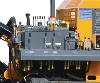
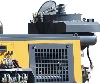
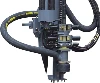
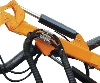
A typical Open-air Photovoltaic Drilling Rig consists of several important components:
Power System: Provides the energy required for drilling and machine movement.
Hydraulic System: Controls drilling pressure, mast movement, and other operations.
Rotary Head: Transfers torque to the drill rods and drill bits.
Drill Rods and Bits: Penetrate different geological formations.
Crawler Chassis: Provides mobility and stability on uneven terrain.
Drilling Mast: Supports the drilling assembly and controls drilling direction.
Control System: Allows operators to manage drilling operations efficiently.
4. Main Applications
Open-air photovoltaic drilling rigs are widely used in:
Solar Power Plants: Drilling foundation holes for ground-mounted solar panel systems.
Desert Solar Farms: Working in sandy and gravel-rich environments.
Mountainous Projects: Supporting photovoltaic construction on uneven terrain.
Agricultural Photovoltaic Systems: Preparing foundations for solar mounting structures.
Solar Pile Installation: Creating pilot holes for steel piles and ground screws.
5. Key Advantages
High Drilling Efficiency: Mechanized drilling helps contractors complete large numbers of foundation holes within shorter construction periods.
Excellent Mobility: Crawler-mounted models can travel across uneven ground and challenging outdoor environments.
Wide Geological Adaptability: Different drill bits and drilling tools allow the equipment to work in soil, sand, gravel, and rock formations.
Flexible Configuration: Drilling systems can be customized according to hole diameter, drilling depth, and project requirements.
Reduced Labor Costs: Automated and hydraulic operations reduce manual workload and improve construction productivity.
6. How to Choose the Right Photovoltaic Drilling Rig
Before purchasing drilling equipment, contractors should consider the following factors:
Geological conditions at the construction site.
Required drilling diameter and depth.
Drilling method and foundation design.
Machine power and hydraulic performance.
Crawler mobility and terrain adaptability.
Availability of spare parts and maintenance services.
Choosing the right equipment helps improve drilling efficiency and reduce overall project costs.
7. Maintenance Recommendations
Regular maintenance helps extend equipment service life and maintain stable performance.
Check hydraulic hoses and connections for leakage.
Inspect drill bits and rods for excessive wear.
Maintain engine oil, filters, and cooling systems.
Lubricate moving components regularly.
Clean the crawler chassis after operation.
Follow the manufacturer's operating and maintenance instructions.
8. Future Development Trends
With the continuous expansion of the global solar energy market, photovoltaic drilling equipment is moving toward greater automation, improved energy efficiency, and intelligent operation.
Future drilling rigs are expected to feature more advanced hydraulic systems, automatic positioning, intelligent drilling controls, and improved adaptability to complex geological conditions. These improvements will help solar construction companies increase productivity and reduce operating expenses.
9. Conclusion
The Open-air Photovoltaic Drilling Rig is essential equipment for modern solar power plant construction. Its high drilling efficiency, flexible configuration, strong mobility, and adaptability to different geological conditions make it an ideal solution for photovoltaic foundation engineering.
As global investment in renewable energy continues to grow, the demand for reliable photovoltaic drilling equipment will continue to increase, creating new opportunities for drilling machinery manufacturers and international suppliers.
10. Frequently Asked Questions (FAQ)
Q1: What is an Open-air Photovoltaic Drilling Rig used for?
A: It is mainly used to drill foundation holes for solar panel mounting structures, steel piles, and ground screws.
Q2: Can it drill through hard rock?
A: Yes. Models equipped with suitable DTH hammers and air compressors can handle hard rock formations.
Q3: What drilling methods are available?
A: Common methods include rotary drilling, auger drilling, and DTH hammer drilling.
Q4: Can it operate on uneven terrain?
A: Crawler-mounted models provide good mobility on uneven construction sites, subject to terrain and machine stability requirements.
Q5: How do I choose a suitable model?
A: Consider drilling diameter, depth, geological conditions, terrain, and required drilling efficiency.