If you’ve ever worked with air compressors, you’ve probably asked yourself this question more than once—especially if you’re out on a job site in the middle of summer, when temperatures are climbing so high you can barely touch the metal tools without flinching. As someone who’s been selling air compressors for years, I get it. Hot weather can feel like the silent enemy of every piece of heavy gear, and compressors are no exception. But here’s the thing: it’s not that air compressors can’t run in hot weather—it’s about how you run them, and making sure you pick the right one for the job. Let’s break this down, no fancy jargon, just real talk from someone who’s fielded this question a hundred times.
First, let’s get the basics right. Air compressors work by pulling in ambient air, squeezing it into a smaller space, and releasing that pressurized air to power tools, machinery, or whatever you’re working on. The thing is, when it’s hot outside, the air coming into your compressor is already warmer than it would be on a cool spring morning. Warm air is less dense, right? That means when your compressor squeezes it, you end up with slightly less actual air volume than you would in cooler temps. On top of that, the compressor itself generates heat as it runs—all that friction from moving parts, the compression process, and the motor turning—so if the surrounding air is already hot, there’s nowhere for that extra heat to go. That’s when you start seeing issues like overheating, reduced efficiency, or even premature breakdowns.
But before you go thinking “my compressor is useless in summer,” let’s talk about the factors that make the biggest difference. Not all compressors are created equal, and not all jobs are the same. If you’re using a small portable compressor to power a nail gun for a deck project, you might notice it takes a little longer to refill the tank on a 95°F day, but it’ll probably still work fine if you give it breaks. But if you’re running heavy-duty gear like a High-Performance Water Well Drilling DTH Hammer for water well drilling? That’s a whole different ballgame. DTH hammers are high-demand, they need a constant, steady supply of pressurized air, and if your compressor can’t keep up in heat, you’re going to stall the drill mid-hole, which is a huge headache (and a waste of time and money).
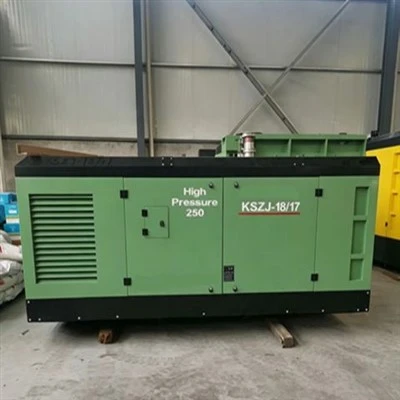
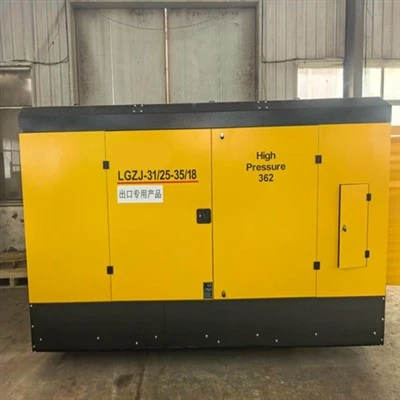
I’ve seen this play out firsthand. A few years back, we had a customer out in Arizona drilling water wells—they were using a cheap, off-brand compressor that wasn’t built for sustained high heat. By noon every day, that thing would overheat, throw an error code, and shut down. They were falling behind on their project, and they came to us looking for a solution. We recommended they upgrade to an Industrial Screw Air Compressor because screw compressors are designed for continuous operation, not just short bursts. The key with these models is their built-in cooling systems—large radiators, efficient fans, and sometimes even oil cooling systems that keep the internal temperature in check even when the ambient temp is 100°F+. We also suggested they go for a diesel-powered unit instead of electric, since on remote well drilling sites, power grids are spotty, and diesel units don’t rely on external power sources to run their cooling systems. That led them to our 3525-3820K Two-stage Diesel Skid-mounted Screw Air Compressor—it’s skid-mounted so it’s easy to move between well sites, two-stage compression means it’s more efficient at high altitudes and hot temps, and the diesel engine has a heavy-duty cooling system that handles 110°F days without breaking a sweat. That customer went from stalling every day to running 12-hour shifts without any issues.
So what’s the science behind why some compressors work better in heat? Let’s keep this simple. Compressor efficiency drops about 1-2% for every 10°F rise in ambient temperature. That’s a big deal if you’re running a compressor at 90% capacity on a 100°F day—you’re already over that sweet spot. But compressors designed for hot weather have a few key features:
- Enhanced Cooling Systems: Most industrial compressors have larger radiators than portable models, and some use oil coolers that circulate cold oil through the engine and compression chamber to soak up heat. Diesel units, especially mobile ones, often have a high-flow fan that pulls more air across the cooling components, even when it’s stuck in a dust-filled job site (another summer problem—dust can clog radiators, but good models have easy-to-clean screens to prevent that).
- Thermal Protection Controls: Modern compressors have smart sensors that monitor internal temperature. If it starts to get too hot, the compressor will either slow down automatically (instead of shutting down completely) or alert you to check for issues like a clogged filter or low oil. That’s a lifesaver if you’re in the middle of a job and can’t stop for repairs right away.
- High-Quality Components: Compressors built for heavy use use materials that handle heat better—like stainless steel valves, high-temperature hoses, and heavy-duty bearings that don’t wear out as fast when things get toasty. Cheap compressors use thinner parts that warp or break when exposed to sustained heat, which is why you don’t want to skimp if you’re working in hot climates.
Now, let’s talk about what you can do to make any compressor work better in hot weather, even if you can’t upgrade right away. These are small, easy steps that I’ve recommended to customers for years, and they make a huge difference:
- Keep the compressor in the shade: I know, sometimes job sites don’t have a lot of shade, but if you can park your compressor under a tree, a canopy, or even the side of a building, you’ll lower the ambient temp around it by 10-15°F, which takes the pressure off the cooling system.
- Clean the air filter regularly: Dust and dirt get worse in hot, dry weather, and a clogged air filter makes your compressor work harder to pull in air, which creates more heat. Check it every day if you’re in a dusty area, and replace it as needed.
- Don’t overload the compressor: If your tool only needs 100 CFM, don’t use a 200 CFM compressor just because you have it. Running a compressor at less than full capacity is more efficient, and it doesn’t generate as much heat.
- Give it breaks if you can: If you’re running a portable compressor for a home project, letting it cool down for 10 minutes every hour will prevent it from overheating. For industrial units, don’t run them 24/7 without a chance to catch their breath—even the best models need a little downtime.
I should also mention mobile compressors, because a lot of our customers use these for remote work. Our Diesel Mobile Air Compressor is built for transport, has a compact design but still packs a powerful cooling system, and it’s perfect for well drilling, construction, or any job where you need to move the gear around. We’ve had customers use these in places like Texas, Florida, and the Middle East, where summer temps regularly hit 115°F, and they haven’t had to shut down once from heat-related issues.
Wait, let’s circle back to that well drilling example, because that’s the biggest use case for air compressors in hot weather. Drilling a water well requires a steady, high-pressure air supply to power the DTH hammer, flush out drill cuttings, and keep the bit cool. If your compressor can’t handle the heat, you’re not just dealing with an overheated machine—you’re risking damaging the drill bit, which can cost thousands of dollars in repairs and lost time. That’s why it’s so important to pick the right Air Compressor for Well Drilling in the first place. You don’t want a compressor that’s an afterthought—you want one that’s engineered to handle the specific demands of well drilling, including hot, dusty environments.
Let’s address a common myth I hear all the time: “Compressors break faster in hot weather, so I should run them less.” That’s not exactly true. If you take care of your compressor, run the right model for your job, and follow the basic steps I mentioned, you can run it just as long in hot weather as you would in cool weather. The problem is when people use the wrong compressor for the job, don’t maintain it, or push it beyond its limits. I’ve seen a customer run the same industrial screw compressor for 10 years in Phoenix summers with no major issues—all he does is change the oil every 500 hours, clean the filters weekly, and park it in the shade when he can.
Another thing to consider: humidity. Wait, I talked about hot temps, but humidity plays a role too. On hot, humid days, the air is more dense? No, wait—humid air has more water vapor, which is lighter than nitrogen and oxygen, so it’s less dense. Wait, no, actually, when air is humid, it holds less oxygen, but for compressors, the main issue is condensation. If your compressor gets too hot, then cools down too fast, moisture can form inside the tank, which can lead to rust. So make sure you drain the tank every day, even in hot weather. That’s a simple step that prevents a lot of long-term damage.
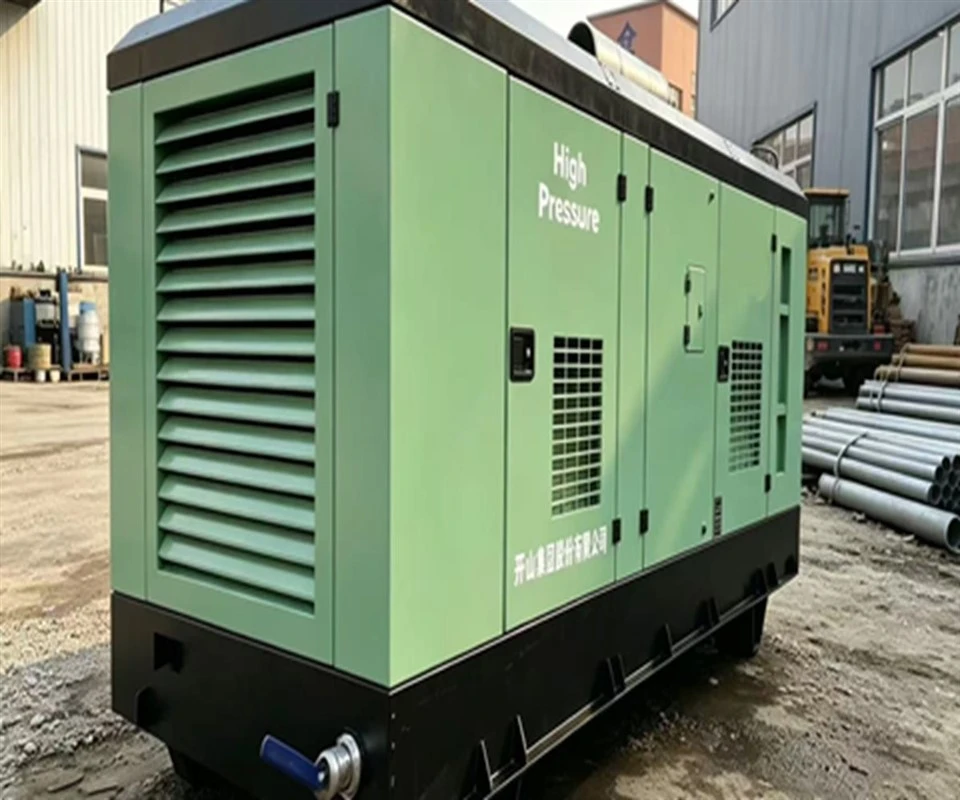
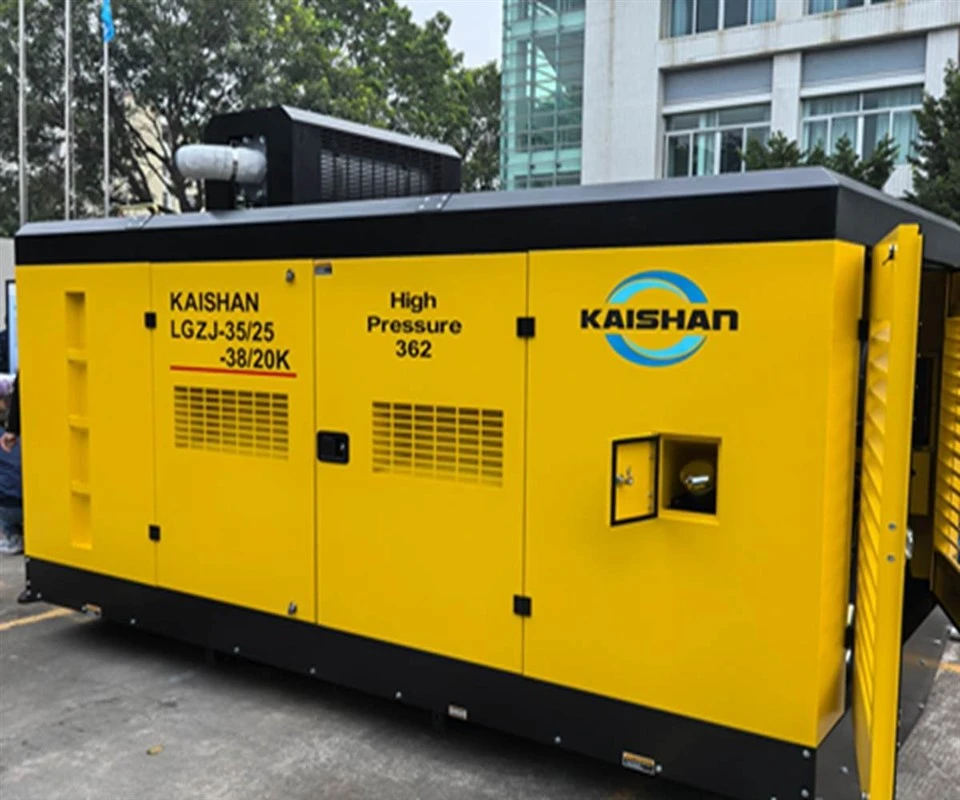
So, to wrap this up: yes, air compressors can be used in hot weather—you just need to make smart choices about which compressor to use, how to maintain it, and how to operate it. If you’re a DIYer doing a small project, a portable compressor will probably work fine if you give it breaks and keep it cool. If you’re running a commercial operation, especially in demanding environments like water well drilling, you need a heavy-duty model with good cooling systems, like the ones we sell. You don’t have to let summer heat slow you down or damage your gear—you just need to plan ahead.
If you’re not sure which compressor is right for your job, especially if you’re working in hot weather, don’t guess. Reach out to us to chat through your needs, the specific tasks you’re taking on, and the conditions you’ll be working in. We’ve helped hundreds of customers pick the right equipment for hot climates, and we can help you too. Whether you need a unit for well drilling, construction, or any other application, we’ve got options built to handle the heat. Don’t let the summer sun derail your project—let’s find the perfect air compressor for your needs and get the job done, no matter how high the temperature climbs.
References:
- Compressed Air Challenge. (n.d.). Hot Weather Compressor Operation Guide. Retrieved from compressedairchallenge.org
- Ingersoll Rand. (2022). Industrial Screw Compressor Performance in High Ambient Temperatures. Industrial Equipment Journal
- American National Standards Institute. (2021). Standard for Air Compressor Thermal Protection. ANSI/AGMA 1003-21
- Well Drilling Magazine. (2023). Equipment Selection for Hot Climate Water Well Drilling. Vol. 45, No. 2