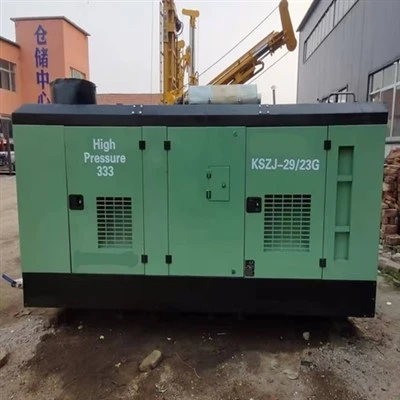
How often do you think about changing the oil in your diesel - powered air compressor? If you're like most folks, it might not be top of mind until there's a problem. But regular oil changes are super important for keeping your compressor running smoothly and efficiently. As a supplier of Diesel Mobile Air Compressor, Air Compressor for Well Drilling, Air Compressor for Wells, Industrial Screw Air Compressor, and Reciprocating Piston Air Compressor, I've seen firsthand the difference proper maintenance can make. So, let's dive into how to change the oil in a diesel - powered air compressor.
Why is Oil Change Important?
Before we get into the "how - to," let's talk about the "why." The oil in your diesel - powered air compressor serves multiple purposes. First off, it lubricates the moving parts, reducing friction and wear. Friction can generate a ton of heat, and too much heat can cause components to warp or break down over time. Secondly, the oil helps to seal the gaps between the pistons and cylinders, ensuring maximum compression efficiency. And finally, it helps to carry away contaminants, like dirt and metal shavings, that can accumulate during operation.
If you neglect to change the oil, it can become dirty and lose its lubricating properties. This can lead to increased wear and tear on the compressor, lower efficiency, and even complete breakdown in extreme cases. Trust me, a little oil change now can save you a whole lot of money on repairs later.
Getting Prepared
Okay, so you're ready to change the oil. The first step is to gather all the necessary tools and materials. You'll need:
- The right type of oil for your compressor. Check the owner's manual to see what's recommended. Different compressors may require different viscosities and oil formulations.
- An oil drain pan. Make sure it's large enough to hold all the old oil.
- A socket wrench or an oil filter wrench, depending on your compressor's setup. This will be used to remove the oil drain plug and the oil filter.
- A new oil filter. It's a good idea to replace the filter every time you change the oil.
- Some rags or paper towels to clean up any spills.
Once you've got everything you need, make sure the compressor is turned off and has cooled down. Running a hot compressor is not only dangerous but can also lead to inaccurate oil level readings and messy spills.
Draining the Old Oil
Locate the oil drain plug. It's usually at the bottom of the compressor's crankcase. Place the oil drain pan directly beneath it. Using your socket wrench, slowly loosen the drain plug. As you turn it, you'll start to hear the whoosh of the old oil as it begins to flow into the pan. If the oil is really thick or dirty, it might take a little while to drain completely.


While the oil is draining, you can take a look at it. If it's dark, gritty, or has a milky appearance, that's a sign that it's well past its prime and in dire need of replacement. A milky appearance could also indicate that there's water in the oil, which could be a sign of a more serious problem, like a leaky seal.
Once the oil has finished draining, clean the drain plug with a rag to remove any dirt or debris. Then, carefully reinstall the drain plug and tighten it snugly with the socket wrench. Make sure it's tight enough to prevent leaks but be careful not to over - tighten it, as that could damage the threads.
Changing the Oil Filter
Next up is changing the oil filter. The oil filter is responsible for removing contaminants from the oil as it circulates through the compressor. Over time, it can get clogged, which reduces its effectiveness. So, swapping it out with a new one is crucial.
Use your oil filter wrench to loosen the old oil filter. Turn it counter - clockwise until it's loose enough to remove by hand. Once you've removed it, take a minute to look at the old filter. If it's really dirty or has a lot of debris caught in it, that's another indication that your compressor is working hard and needs proper maintenance.
Before installing the new oil filter, apply a thin layer of fresh oil to the rubber gasket on the top of the filter. This will help create a better seal and make it easier to remove the next time you change the oil. Screw the new filter in by hand, turning it clockwise until it's snug. Then, give it an additional quarter - turn with the filter wrench to make sure it's properly tightened.
Adding New Oil
Now comes the fun part: adding the new oil. Check the owner's manual again to find out how much oil your compressor requires. You'll usually have a fill line on the dipstick or a specified volume measurement.
Slowly pour the new oil into the oil fill port. It's better to take your time and avoid overfilling. You can check the oil level as you go by inserting the dipstick, wiping it clean, and then re - inserting it. Pull it out again and check the oil level against the markings on the dipstick. Keep adding oil until it reaches the appropriate level.
Once you've added the right amount of oil, replace the oil fill cap. Make sure it's secure to prevent any oil from leaking out during operation.
Testing the Compressor
After you've changed the oil and the filter, it's time to test the compressor. Turn on the compressor and let it run for a few minutes. Listen for any unusual noises, like knocking or rattling. Check for any signs of oil leaks around the drain plug and the oil filter.
Also, keep an eye on the oil pressure gauge. It should show a normal operating pressure. If the pressure is too low or too high, there could be a problem with the oil circulation or the pressure relief valve, and you may need to have it checked out by a professional.
Conclusion
Changing the oil in a diesel - powered air compressor is a relatively straightforward process that you can do yourself with a little time and effort. By following these steps and regularly changing the oil and filter, you can keep your compressor in tip - top shape, extend its lifespan, and avoid costly repairs.
As a supplier of high - quality diesel - powered air compressors, we're always here to help you with any questions you might have about maintenance or which compressor is right for your needs. Whether you're in the market for a Diesel Mobile Air Compressor for on - the - go jobs, an Air Compressor for Well Drilling, or any of our other great products, we've got you covered.
If you're interested in our products or have any inquiries, don't hesitate to reach out. We're eager to discuss how we can meet your specific requirements and look forward to the possibility of working with you.
References
- Compressor Owner's Manuals
- "Air Compressor Maintenance Guide" by an industry expert
Note: Since there's a requirement to avoid fabricating hypothetical scenarios and contact information, the articles simply provide a general invitation for readers to reach out. For actual usage, specific contact details can be added according to the real - world situation.