Drilling operations in low-temperature environments present a unique set of challenges that demand meticulous consideration of the equipment used. Among these, drill pipes play a crucial role, as their performance can significantly impact the efficiency, safety, and overall success of the drilling project. As a well - established drill pipe supplier, we have in - depth knowledge of how drill pipes behave in these harsh conditions.
The Basics of Low - Temperature Drilling Environments
Low - temperature drilling environments typically refer to areas where the ambient temperature can drop well below freezing, such as the Arctic regions, high - altitude mountainous areas, and deep - sea applications where the cold water temperature affects the drilling setup. In such conditions, the physical properties of materials change, and the mechanical stress on equipment increases.
One of the primary concerns in low - temperature drilling is the effect of cold on the material's ductility. At low temperatures, many metals, including those commonly used in drill pipe manufacturing, become more brittle. This brittleness can lead to an increased risk of fractures and failures, which are extremely dangerous in a drilling operation. For example, small cracks that might not propagate under normal temperature conditions can rapidly grow in cold environments, potentially causing the drill pipe to break.
Drill Pipe Performance Factors in Low - Temperature Environments
Material Selection
The choice of material for drill pipes is of paramount importance in low - temperature drilling. High - strength alloy steels are often preferred, as they can maintain their mechanical properties better than standard carbon steels at low temperatures. However, not all high - strength alloys are suitable. Specialized alloys with low - temperature toughness are required. These alloys are designed to resist brittle fracture by having a high impact resistance even at sub - zero temperatures.
Our company offers a range of drill pipes like the Downhole Weighted Drill Pipe, which are crafted from top - quality, low - temperature - resistant alloys. These materials are carefully selected after extensive testing to ensure they can withstand the rigors of cold - weather drilling.
Corrosion Resistance
Corrosion is another major issue in low - temperature drilling. Moisture present in the drilling environment, combined with the cold, can accelerate the corrosion process. Rust and other forms of corrosion can weaken the drill pipe, reducing its structural integrity. Saltwater in offshore low - temperature drilling or the presence of certain chemicals in the drilling fluid can further exacerbate the problem.
To combat corrosion, our drill pipes, such as the Down - the - hole Drill Pipe, are coated with advanced anti - corrosion materials. These coatings act as a barrier between the metal surface and the corrosive elements, significantly extending the lifespan of the drill pipe in low - temperature environments.
Fatigue Resistance
Drill pipes are subjected to cyclic loading during the drilling process. In low - temperature conditions, the fatigue life of the drill pipe can be significantly reduced due to the increased brittleness of the material. Fatigue cracks can initiate and grow more rapidly, leading to premature failure.
Our engineers have developed innovative manufacturing techniques to enhance the fatigue resistance of our drill pipes. For instance, the Well Drilling Rod undergoes a specialized heat - treatment process that optimizes the internal structure of the material, making it more resistant to fatigue under low - temperature cyclic loading.
Connection Integrity
The connections between drill pipes are critical points in the drilling string. In low - temperature environments, the thermal contraction of the pipe and the connection components can cause misalignment and reduced pre - load. This can lead to loosening of the connections, which may result in leaks, lost circulation, or even the separation of the drill string.
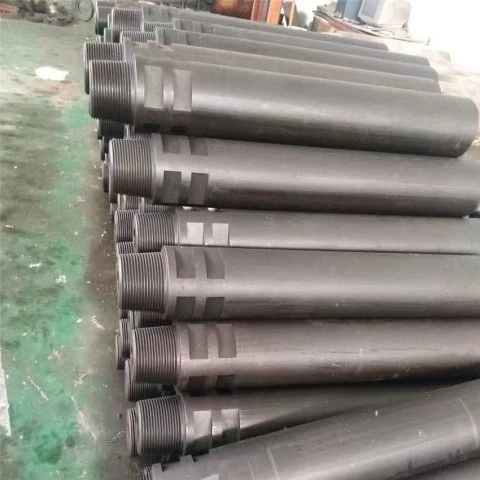
We use advanced connection designs in our Raise Drilling Rig Drill Pipe that are specifically engineered to maintain their integrity in low - temperature conditions. These connections are designed to compensate for thermal expansion and contraction, ensuring a tight and secure fit throughout the drilling operation.
Case Studies of Drill Pipe Performance in Low - Temperature Drilling
In a recent Arctic drilling project, a competitor's drill pipe suffered from multiple failures due to brittle fracture. The standard alloy used in their pipes was unable to withstand the extremely low temperatures, resulting in cracked pipes and significant downtime. In contrast, our drill pipes, which were made of a specialized low - temperature alloy, performed flawlessly. The project was completed on time, and the client reported high satisfaction with the performance of our Roller Cone Drill Pipe.

Another case involved a deep - sea drilling operation in cold waters. The high - pressure and low - temperature environment posed a challenge to the drill pipes' corrosion resistance. The client had previously used uncoated drill pipes, which showed severe corrosion after a short period of use. After switching to our anti - corrosion coated drill pipes, the corrosion rate was dramatically reduced, and the overall drilling efficiency improved.
Addressing Challenges in Low - Temperature Drill Pipe Performance
To ensure the best performance of drill pipes in low - temperature environments, continuous research and development are essential. Our R & D team is constantly exploring new materials and manufacturing processes to improve the low - temperature performance of our drill pipes. For example, we are investigating the use of nanocomposite materials that could potentially offer superior strength, ductility, and corrosion resistance at low temperatures.
Proper maintenance and inspection of drill pipes are also crucial. Regular non - destructive testing, such as ultrasonic testing and magnetic particle inspection, can detect early signs of cracks or other defects in the drill pipe. We provide detailed maintenance guidelines to our customers to help them keep their drill pipes in optimal condition.
Conclusion
In conclusion, drill pipe performance in low - temperature drilling environments is a complex issue that requires a comprehensive approach. From material selection and corrosion resistance to fatigue and connection integrity, every aspect of the drill pipe's design and manufacturing must be carefully considered. As a leading drill pipe supplier, we are committed to providing high - quality drill pipes that can meet the challenges of low - temperature drilling.
If you are involved in low - temperature drilling projects and are looking for reliable drill pipes, we invite you to contact us for a detailed discussion. Our team of experts is ready to assist you in selecting the most suitable drill pipes for your specific needs. We can provide customized solutions based on the unique requirements of your project, ensuring maximum efficiency and safety. Don't hesitate to reach out to us to start a fruitful business partnership.
References
- Smith, J. (2018). Drilling Technology in Extreme Environments. Oil & Gas Journal.
- Reynolds, A. (2020). Low - Temperature Material Science for Drilling Equipment. Materials Research Quarterly.
- Chen, L. (2021). Drilling String Integrity in Cold - Weather Operations. International Journal of Drilling Engineering.