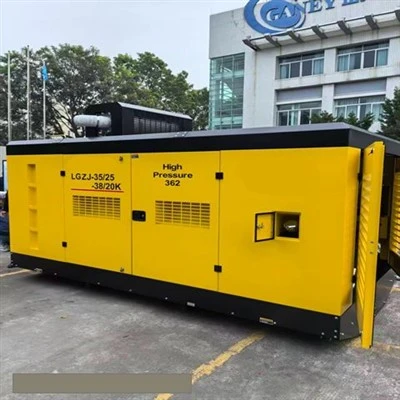
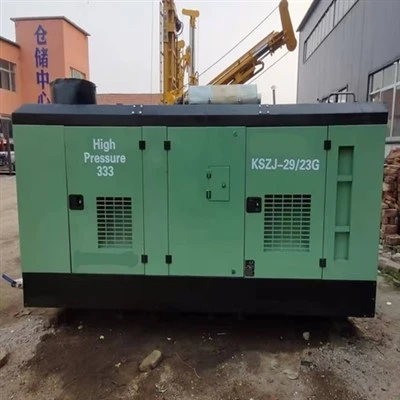
Using a laser air compressor with a pneumatic drill is a smart choice for many industrial and construction projects. But, like any equipment combo, it comes with its own set of requirements. As a Laser Air Compressor supplier, I've seen firsthand what it takes to make this pairing work smoothly. So, let's dive into what you need to know.
Compatibility in Power and Capacity
First off, power and capacity are crucial. You can't just pair any laser air compressor with any pneumatic drill. The compressor needs to be able to supply enough air to keep the drill running efficiently. Pneumatic drills have different air consumption rates, usually measured in cubic feet per minute (CFM). You gotta check the drill's manual to find out its CFM requirement.
For instance, a small handheld pneumatic drill might need around 3 - 5 CFM, while a heavy - duty industrial drill could require 20 CFM or more. Your laser air compressor should have a CFM rating that meets or slightly exceeds the drill's needs. This ensures that the drill has a consistent flow of air, which is key for smooth operation.
Moreover, the compressor's pressure rating, measured in pounds per square inch (PSI), also matters. Most pneumatic drills operate within a specific PSI range. Common ranges are between 90 - 120 PSI. Make sure your Laser Air Compressor can provide a stable pressure within the drill's required range.
Air Quality and Filtration
Air quality is another big deal. The air coming from the compressor should be clean and dry. Moisture and contaminants in the air can cause problems for the pneumatic drill. For example, water in the air can lead to rust inside the drill's components, which shortens its lifespan and can even affect its performance.
That's why a good filtration system is necessary. The laser air compressor should have an effective air filter to remove dust, dirt, and debris. Some compressors also come with built - in moisture separators that help remove water vapor from the compressed air. You might even want to consider adding additional filtration units if you're working in a particularly dirty or humid environment.
Space and Ventilation
When it comes to setting up your laser air compressor and pneumatic drill, space and ventilation are important factors. Compressors generate heat during operation, and they need proper ventilation to prevent overheating. Make sure you place the compressor in an area with good air circulation.
You also need enough space around the compressor for maintenance and easy access. You'll need to open up panels to check components, change filters, and perform other maintenance tasks. And don't forget about the length of the air hose. You should have enough space between the compressor and the drill so that the hose can reach without being strained or kinked.
Maintenance and Safety
Regular maintenance is essential for both the laser air compressor and the pneumatic drill. For the compressor, this includes checking the oil level (if it's an oil - lubricated model), inspecting the belts, and cleaning or replacing the air filter. You should follow the manufacturer's recommended maintenance schedule to keep the compressor running at its best.
For the pneumatic drill, maintenance might involve lubrication of moving parts and checking for any signs of wear and tear. Always use the right lubricants as specified by the drill's manufacturer.
Safety should never be overlooked. Compressed air can be dangerous if not handled properly. Make sure all connections between the compressor and the drill are secure. Use hoses that are in good condition and rated for the pressure of the compressor. Wear appropriate safety gear, such as safety glasses and ear protection, when operating the drill.
Energy Efficiency
In today's world, energy efficiency is a major concern. A Energy - saving Air Compressor not only helps you save on electricity bills but also reduces your environmental impact. When choosing a laser air compressor to use with a pneumatic drill, look for models with high - efficiency motors and control systems.
Some compressors have variable - speed drives that adjust the motor speed based on the air demand. This means the compressor doesn't have to run at full speed all the time, which can result in significant energy savings over time.
Different Types of Compressors and Their Suitability
There are different types of air compressors out there, and knowing which one is best for your pneumatic drill can be tricky. Besides the laser air compressor, there are Industrial Screw Air Compressor, Diesel Mobile Air Compressor, and Diesel - powered Air Compressor.
Industrial screw air compressors are great for continuous, high - volume air supply. They're often used in large - scale industrial settings. If you have multiple pneumatic drills running simultaneously or you need a constant supply of high - pressure air, a screw compressor might be a good option.
Diesel mobile and diesel - powered air compressors are more suitable for outdoor or remote locations where there's no access to electricity. They offer the flexibility to move around the job site easily. However, they require regular fueling and maintenance of the diesel engine.
The laser air compressor, on the other hand, combines advanced technology with efficiency. It's often compact and can be a good choice for smaller - scale projects or in situations where space is limited.
Connecting and Operating the Equipment
Connecting the laser air compressor to the pneumatic drill is a fairly straightforward process, but it's important to do it right. First, make sure the compressor is turned off and the pressure has been released. Then, attach the air hose to the compressor's air outlet using the appropriate fittings. Be sure to tighten the fittings securely to prevent air leaks.
Next, connect the other end of the air hose to the pneumatic drill. Again, use the right fittings and tighten them well. Once the connections are made, you can turn on the compressor and let it build up pressure.
Before you start using the drill, check the pressure gauge on the compressor to make sure it's within the drill's operating range. Then, you're ready to go. Just remember to start the drill gently and gradually increase the speed as needed.


Conclusion
Using a laser air compressor with a pneumatic drill can be a great combination for many projects, but it's important to meet the requirements. From ensuring compatibility in power and capacity to maintaining air quality, providing proper space and ventilation, and performing regular maintenance, there are several factors to consider.
If you're looking for a high - quality laser air compressor or need more information about using it with a pneumatic drill, don't hesitate to reach out. We're here to help you make the right choice for your project. Feel free to contact us to discuss your procurement needs and get the best solution for your business.
References
- Compressor Manufacturer Manuals
- Pneumatic Drill Operator Guides
- Industrial Safety Standards and Guidelines