If you’ve ever spent a weekend working on a backyard project, fixed a fence post after a storm, or helped a buddy with a construction job out in the open, you’ve probably wondered at some point: can an air compressor be used outdoors? I’ve been in the air compressor game for years, so I’ve gotten this question a ton—sometimes from homeowners hauling tools to their garage workbenches, sometimes from contractors heading to job sites with dust and humidity in the air. The short answer is yes, but there’s way more to it than just “plug it in and go.” Let’s break down the real deal, no stuffy technical jargon, just what I’ve learned on the job.
First, let’s talk about why you’d even want an air compressor outside, anyway. For a lot of folks, it’s the only way to get power to tools where there’s no garage outlet or generator nearby. Say you’re drilling a well for your new homestead—wait, that’s actually a big one. A lot of well drilling projects rely on air compressors to drive the drilling bits, blow out sediment, or power other well-specific tools. If you’re out in a field with no electricity running to the drill site, you can’t drag a big industrial unit in a tiny truck. That’s where the right outdoor compressor makes all the difference.


But not every compressor is made for the great outdoors, let’s be clear. Indoor models are built for climate-controlled spaces—garages, workshops, basements—where temperature swings aren’t extreme, and there’s no dust, rain, or sunlight beating down on them. Use one of those outside, and you’re asking for trouble. Overheating, water buildup in the tank, even rust on the internals—those are all common issues that can kill a cheap indoor compressor fast. So what makes a compressor outdoor-ready?
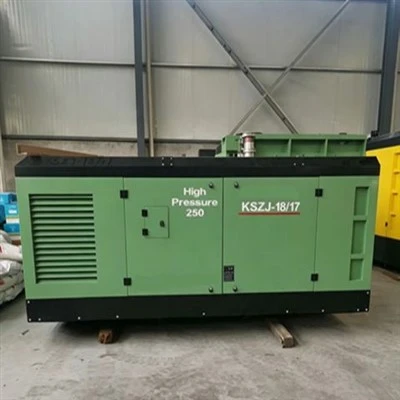
Let’s start with power sources, because that’s the first big decision when using a compressor outside. Two of the most common options are electric and diesel, right? Each has its pros and cons, depending on your job. If you’re working somewhere with a reliable power hookup, a portable electric air compressor is a solid pick. They’re lightweight, easy to move around, and don’t have that noisy diesel rumble that can get annoying on long jobs. But if you’re off-grid—like that well drilling site I mentioned, or a remote farm repair job—you need something that doesn’t rely on a wall outlet. That’s where a diesel-powered air compressor shines. Diesel engines run for way longer without refueling than electric models hooked up to generators, and they’re built to handle rough conditions like cold weather or dusty environments a lot better than most electric units. I should mention, though—if you’re doing work specific to wells, like drilling or maintaining, you’ll want to look at air compressors for wells, designed with extra durability for that kind of heavy-duty, open-air work.
Temperature is another huge factor when using an air compressor outside. I’ve seen guys haul a compressor out on a 95°F summer day and wonder why it shuts down every 20 minutes. Overheating is the number one cause of outdoor compressor breakdowns in hot weather. Most compressors have a thermal cutoff switch that kicks in to protect the motor, but if the unit isn’t rated for high temps, that switch is going to be your worst enemy. On the flip side, cold weather—like below freezing—can cause moisture in the tank to freeze, which clogs lines and even damages the compressor’s internal parts. I once had a customer bring back a $1,500 compressor that he used for ice fishing equipment repair; he left it outside overnight in 10°F weather, and the water in the tank turned to solid ice, warping the valve. So if you’re working in extreme temps, you need a compressor built for that. A lot of the newer energy-saving air compressors, by the way, have better temperature regulation systems—they run cooler in summer and can handle light freezing without as much risk of moisture buildup, which is a big plus.
Dust and debris are the next big outdoor problem. If you’re working at a construction site, a farm field, or even just a messy backyard, dust and dirt get everywhere. Indoor compressors have sealed filters and tight casings to keep gunk out, but outdoor models are built even tougher. They have larger, more durable air filters that can trap dust without clogging too fast, and their motor housings are sealed to keep debris from getting into the moving parts. I always tell customers: if you’re using your compressor in a dusty area, check the filter every few hours, or you’ll lose pressure and shorten the unit’s life. There’s nothing worse than being mid-job and having your compressor die because a dusty filter blocked the air flow.
Moisture and humidity are another thing to watch for—especially if you’re working near a lake, river, or in a rainy area. Water can get into the tank, into the lines, and even into the motor if the unit isn’t properly sealed. Most outdoor compressors have a drain valve at the bottom of the tank that lets you purge built-up water after every use, but you have to actually use that valve. I see so many people skip that step, and then wonder why their nail gun shoots weak fasteners or their drill bit slows down. Also, if you’re working in heavy rain, even a “weather-resistant” compressor isn’t 100% waterproof—don’t leave it out in the rain overnight, and if it gets splashed, wipe it off as soon as you can. That said, some well-specific air compressors are built to handle more moisture, since well drilling often involves working around water tables and wet ground, so that’s something to look for if that’s your line of work.
Wait, let’s talk about noise too. A lot of people don’t think about this, but if you’re using a compressor in a residential area at 7 a.m. on a Saturday, your neighbor is going to lose their mind. Indoor compressors are quieter, built for closed spaces where noise is contained, but even outdoor models have different noise ratings. If you’re working near houses or in a noise-sensitive area, look for a compressor with lower decibel levels. Diesel compressors tend to be louder than electric ones, so if noise is a concern, a portable electric air compressor might be the way to go, even if it means hauling a generator along.
Now, let’s get real about what jobs outdoor compressors are actually good for. Like I mentioned before, well drilling and well maintenance are huge—you’re miles from power, dealing with rough terrain, and need heavy-duty tools to get the job done. Fence installation, deck building, roofing work, landscaping, and even emergency repair jobs (like fixing a water main or a broken pipe after a storm) all use outdoor compressors. Even something as simple as inflating tires, power washing, or spraying paint outside is way easier with a portable unit that doesn’t need to stay in the garage.
But there are some outdoor situations where you have to be extra careful. If you’re working in direct sunlight all day, that’s going to add to the compressor’s internal temperature, so try to park it in a shaded area if you can. If you’re in a super windy place, like an open field, make sure the air intake isn’t sucking up too much dirt or debris—position the unit so the intake is facing away from the wind. And never, ever use a compressor outdoors that’s not designed for outdoor use, no matter how tempting it is to save a few bucks. Indoor models are just not built to handle the elements, and you’ll end up replacing them way sooner than you should.
Let me share a quick customer story that sums this all up. A guy named Mike reached out to me last year, he was drilling a well on his property out in rural Texas—no power for miles, 100°F heat, and tons of red dust everywhere. He tried using his old indoor compressor for the first week, and it died three times, once mid-drill, which set him back a whole day. He ended up getting a diesel-powered air compressor built for well drilling, and it ran the whole 3-week job without any issues, even in that brutal heat and dust. He told me it was one of the best investments he made for the project. That’s the thing—when you pick the right compressor for your outdoor job, it’s not just possible, it’s way easier and more reliable than you think.
Wait, I should also mention maintenance, because that’s key for keeping an outdoor compressor working. After every use, drain the water from the tank, clean or replace the air filter regularly, check the hoses and connections for leaks, and make sure the unit is stored in a covered area when you’re not using it. Even outdoor-ready compressors will last longer if you don’t leave them out in the rain or snow 24/7. If you’re using it often, do a quick visual check every week—look for rust, loose bolts, or any weird noises coming from the motor. A little regular maintenance goes a long way in saving you from costly repairs or replacements.
So, to circle back to the original question: can an air compressor be used outdoors? Absolutely, but only if you pick the right one for your specific job, and you take the time to protect it from the elements. Don’t grab that old garage compressor and drag it to the job site—invest in a model that’s built for outdoor conditions, whether that’s a portable electric unit for small, power-accessible jobs or a heavy-duty diesel model for remote projects like well drilling. If you’re working with wells specifically, look for air compressors for wells that are designed to handle the extra demands of that work.
If you’re not sure which compressor is right for your outdoor project, whether it’s a backyard job, a construction site, or a well drilling venture, feel free to reach out to our team to talk through your needs. We’ve been helping people pick the right air compressors for all kinds of outdoor work for years, and we’re happy to guide you to the perfect fit—whether that’s an energy-saving air compressor for temperature-sensitive jobs, a portable electric air compressor for easy maneuverability, or a diesel-powered air compressor for remote, off-grid work. No pressure, just honest advice for whatever job you’ve got going.
References
- Compressed Air Institute. (2022). Outdoor Use Guidelines for Portable Air Compressors. Retrieved from compressedair.org
- Occupational Safety and Health Administration (OSHA). (2021). Safe Use of Air Compressors in Construction Environments. Retrieved from osha.gov
- Well Drilling Magazine. (2023). Heavy-Duty Air Compressors for Well Site Applications. Retrieved from welldrillingmag.com
- American Society of Mechanical Engineers (ASME). (2020). Pressure Vessel Safety Standards for Outdoor Air Compressors. Retrieved from asme.org