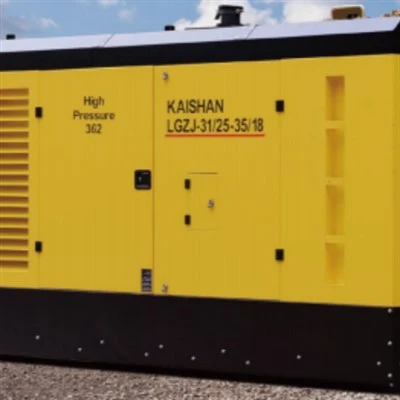
As a supplier of Diesel Mobile Air Compressors, I understand the importance of efficiency in these machines. Diesel mobile air compressors are widely used in various industries, including construction, mining, and oil and gas, where reliable and efficient air supply is crucial. In this blog, I will share some practical tips on how to increase the efficiency of a Diesel Mobile Air Compressor.
Regular Maintenance
One of the most effective ways to ensure the efficiency of a Diesel Mobile Air Compressor is through regular maintenance. Just like any other mechanical equipment, air compressors require proper care to operate at their best. Here are some key maintenance tasks:
- Oil Changes: Diesel engines in mobile air compressors rely on oil for lubrication and cooling. Regular oil changes are essential to prevent wear and tear on engine components. Follow the manufacturer's recommendations for oil change intervals, which typically range from every 250 to 500 hours of operation.
- Filter Replacements: Air filters, fuel filters, and oil filters play a vital role in keeping the compressor clean and running smoothly. Clogged filters can restrict airflow and reduce the compressor's efficiency. Replace filters at regular intervals to ensure optimal performance.
- Inspect and Tighten Connections: Over time, vibrations can cause connections to loosen. Regularly inspect all hoses, fittings, and electrical connections, and tighten them as needed. Loose connections can lead to air leaks, which not only reduce efficiency but also pose a safety hazard.
- Check Belt Tension: If your compressor uses a belt-driven system, check the belt tension regularly. A loose belt can slip, causing a loss of power and reduced efficiency. Adjust the belt tension according to the manufacturer's specifications.
Proper Sizing and Selection
Choosing the right size and type of Diesel Mobile Air Compressor for your specific application is crucial for efficiency. An oversized compressor will consume more fuel than necessary, while an undersized compressor may not be able to meet the demand, leading to inefficiencies and potential equipment damage.


- Determine Your Air Requirements: Before purchasing a compressor, calculate the amount of air (in cubic feet per minute, or CFM) and the pressure (in pounds per square inch, or PSI) required for your application. Consider factors such as the number of tools being used simultaneously, the type of tools, and the distance the air needs to travel.
- Consider Duty Cycle: The duty cycle of a compressor refers to the amount of time it can operate continuously without overheating. For applications that require continuous operation, choose a compressor with a high duty cycle. This will ensure that the compressor can handle the workload without experiencing performance issues.
- Evaluate Energy Efficiency Ratings: Look for compressors with high energy efficiency ratings. Manufacturers often provide information on the compressor's specific power, which is the amount of energy required to produce a certain amount of compressed air. A lower specific power indicates better energy efficiency.
Optimal Operating Conditions
Operating the Diesel Mobile Air Compressor under optimal conditions can significantly improve its efficiency. Here are some tips to consider:
- Temperature and Humidity: Diesel engines perform best within a certain temperature range. Avoid operating the compressor in extreme heat or cold, as this can affect engine performance and fuel efficiency. Additionally, high humidity can cause moisture to accumulate in the compressed air, leading to corrosion and other issues. Use a dryer to remove moisture from the air if necessary.
- Altitude: The performance of a Diesel Mobile Air Compressor can be affected by altitude. As altitude increases, the air density decreases, which can reduce the compressor's output. If you are operating at high altitudes, consult the manufacturer's guidelines to ensure that the compressor is properly adjusted for the conditions.
- Proper Air Intake: Ensure that the air intake of the compressor is clean and unobstructed. A dirty or blocked air intake can restrict airflow, reducing the compressor's efficiency. Keep the area around the air intake free of debris and ensure that the intake filter is clean.
Advanced Technologies and Upgrades
There are several advanced technologies and upgrades available that can improve the efficiency of a Diesel Mobile Air Compressor. Here are some examples:
- Variable Speed Drives (VSD): VSD technology allows the compressor to adjust its speed based on the demand for compressed air. This means that the compressor can operate at a lower speed when the demand is low, reducing energy consumption. VSD compressors can typically save up to 35% in energy costs compared to fixed-speed compressors.
- Intelligent Control Systems: Some modern Diesel Mobile Air Compressors are equipped with intelligent control systems that can monitor and optimize the compressor's performance. These systems can adjust the compressor's settings based on factors such as air demand, temperature, and pressure, ensuring that the compressor operates at maximum efficiency.
- Energy Recovery Systems: Energy recovery systems can capture and reuse the heat generated by the compressor during operation. This heat can be used for other purposes, such as heating water or providing space heating, reducing the overall energy consumption of the system.
Training and Operator Awareness
Proper training of operators is essential for ensuring the efficient operation of a Diesel Mobile Air Compressor. Operators should be familiar with the compressor's controls, maintenance procedures, and safety guidelines. Here are some training tips:
- Provide Comprehensive Training: Offer training programs that cover all aspects of the compressor's operation, including startup, shutdown, maintenance, and troubleshooting. Ensure that operators have a thorough understanding of the equipment before they are allowed to operate it.
- Encourage Operator Awareness: Promote operator awareness of the importance of efficiency and the impact of their actions on the compressor's performance. Encourage operators to report any issues or abnormalities immediately so that they can be addressed promptly.
- Regularly Review and Update Training: As new technologies and best practices emerge, it is important to regularly review and update the training program to ensure that operators are up-to-date on the latest information.
In conclusion, increasing the efficiency of a Diesel Mobile Air Compressor requires a combination of regular maintenance, proper sizing and selection, optimal operating conditions, advanced technologies, and operator training. By implementing these strategies, you can not only improve the performance of your compressor but also reduce energy costs and extend the lifespan of the equipment.
If you are in the market for a Diesel Mobile Air Compressor or are looking to upgrade your existing equipment, we invite you to explore our range of products. We offer a variety of high-quality compressors, including Air Compressor for Wells, Industrial Screw Air Compressor, and Portable Electric Air Compressor. Our team of experts can help you choose the right compressor for your specific needs and provide you with the support and guidance you need to ensure its efficient operation. Contact us today to start the conversation.
References
- Compressed Air and Gas Institute (CAGI). (n.d.). Compressed Air Best Practices. Retrieved from [CAGI website]
- Manufacturer's manuals and technical documentation for Diesel Mobile Air Compressors.