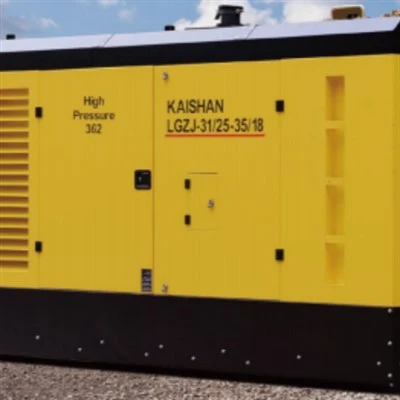
Drill rigs are powerful machines used in various industries such as mining, construction, and oil and gas exploration. They are designed to create holes in the ground for different purposes, including extracting minerals, installing foundations, and drilling for oil or water. A crucial aspect of a drill rig's functionality is the type of drills it uses. As a drill rig supplier, I understand the importance of matching the right drill to the specific application and geological conditions. In this blog, I will explore the different kinds of drills commonly used in drill rigs.
Rotary Drills
Rotary drills are among the most widely used types of drills in drill rigs. They operate by rotating a drill bit at high speeds while applying downward pressure to penetrate the ground. The rotation of the drill bit creates a cutting action, breaking up the rock or soil and allowing it to be removed from the hole.
There are two main types of rotary drills: top - drive rotary drills and kelly - drive rotary drills. Top - drive rotary drills are more modern and efficient. They feature a motor located at the top of the drill string, which directly drives the rotation of the drill. This design allows for faster and more precise drilling, as well as easier handling of the drill pipe. Kelly - drive rotary drills, on the other hand, use a kelly bar to transfer the rotational power from the rig's engine to the drill bit. While they are less common in modern drilling operations, they are still used in some specific applications and regions.
Rotary drills are suitable for a wide range of geological formations, including soft soils, hard rocks, and abrasive materials. They can be used for various drilling depths, from shallow holes for water wells to deep holes for mining and oil exploration.
Percussion Drills
Percussion drills, also known as hammer drills, work by delivering repeated blows to the drill bit. These blows break the rock or soil, allowing the drill bit to penetrate the ground. The drill bit is typically attached to a piston or a hammer mechanism, which is powered by compressed air, hydraulics, or steam.
One of the advantages of percussion drills is their ability to penetrate hard rocks effectively. They are commonly used in mining and quarrying operations, where the goal is to break through solid rock formations. Percussion drills are also suitable for drilling in rough terrain or areas with uneven rock surfaces.
However, percussion drills have some limitations. They are generally slower than rotary drills, especially when drilling through softer materials. Additionally, the repeated blows can cause significant wear and tear on the drill bit and other components of the drill rig, requiring more frequent maintenance and replacement.
Auger Drills
Auger drills are designed to drill holes by rotating a helical screw - shaped blade. As the auger rotates, it cuts into the ground and lifts the soil or rock up the helical blade, out of the hole. Auger drills are commonly used in soil exploration, foundation installation, and environmental sampling.
There are different types of auger drills, including flight augers, continuous flight augers, and hollow stem augers. Flight augers have individual flights or blades attached to a central shaft. Continuous flight augers have a single continuous helical blade, which provides better soil removal and more efficient drilling. Hollow stem augers have a hollow center, which allows for the sampling of soil or the installation of casing while drilling.
Auger drills are best suited for soft to medium - hard soils, such as clay, sand, and silt. They are not as effective in hard rock formations, as the auger blade may not be able to cut through the rock.

Core Drills
Core drills are used to obtain cylindrical samples, or cores, of the rock or soil. They consist of a hollow drill bit that cuts into the ground, leaving a solid core of material inside the bit. Core drills are commonly used in geological exploration, mining, and construction for studying the rock structure and properties.
Core drilling can be performed using different methods, such as rotary core drilling and diamond core drilling. Rotary core drilling uses a rotating drill bit to cut through the rock, while diamond core drilling uses a drill bit with diamond - tipped cutters for more precise and efficient cutting, especially in hard rocks.
Core drills are an essential tool for understanding the subsurface geology, as the cores can be analyzed to determine the mineral content, rock type, and structural features of the formation.
Tracked Hydraulic Drilling Rig
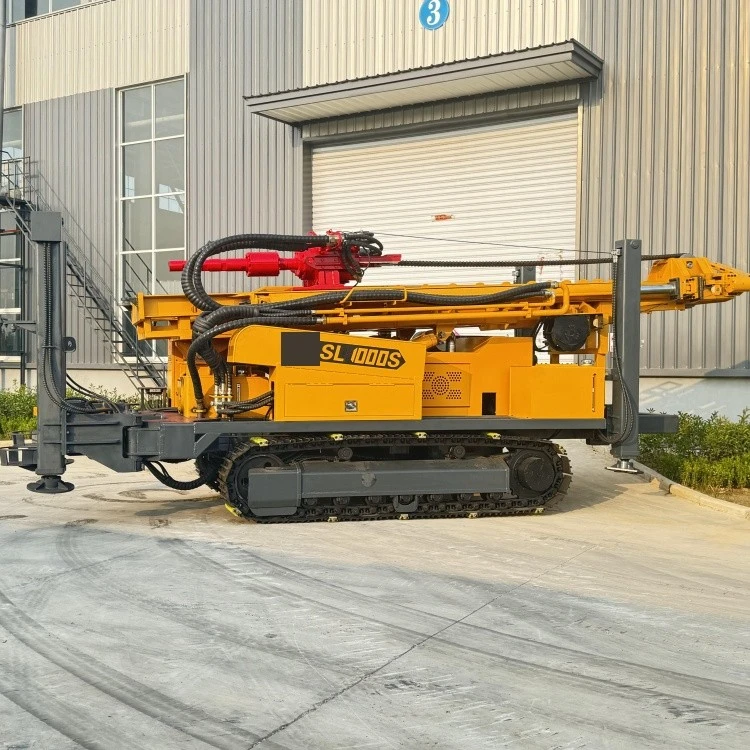
When it comes to selecting a drill rig for specific drilling operations, a Tracked Hydraulic Drilling Rig offers several advantages. These rigs are mounted on tracks, which provide excellent mobility and stability on various terrains, including rough and uneven ground. The hydraulic system of the drill rig offers precise control over the drilling process, allowing for efficient and accurate drilling.
Tracked hydraulic drilling rigs can be equipped with different types of drills, depending on the application. Whether you need to perform rotary drilling for a large - scale mining project or core drilling for geological research, a tracked hydraulic drilling rig can be configured to meet your requirements.
Selecting the Right Drill for Your Drill Rig
Choosing the right drill for your drill rig is crucial for the success of your drilling project. Several factors need to be considered, including the geological conditions, the depth and diameter of the hole, the type of material to be drilled, and the specific application.
For soft soils and shallow holes, auger drills may be the best choice due to their simplicity and efficiency. In hard rock formations, percussion drills or diamond core drills may be more appropriate. For large - scale drilling projects in various terrains, a tracked hydraulic drilling rig equipped with a suitable rotary drill can provide the necessary performance and reliability.
As a drill rig supplier, I have extensive experience in helping customers select the right drill rig and drills for their applications. Our team of experts can provide technical support and guidance to ensure that you choose the equipment that best meets your needs.
Contact for Procurement and Negotiation
If you are in the market for a drill rig or looking to upgrade your existing equipment, I invite you to contact us for procurement and negotiation. Our company offers a wide range of high - quality drill rigs and drilling tools, backed by excellent customer service and technical support. We are committed to providing you with the best solutions for your drilling needs.
References
- "Drilling Engineering Handbook" by John E. McCollum
- "Mining Engineering: Principles and Practice" by Hartman and Mutmansky
- "Geotechnical Engineering Handbook" by Craig