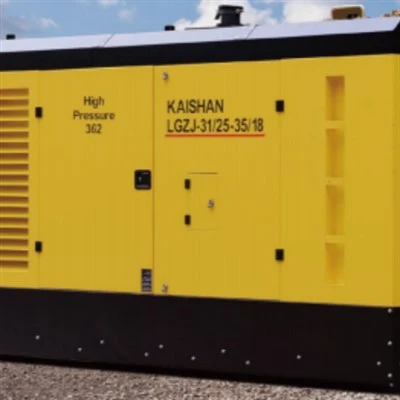
When it comes to air compressors, one of the most common questions we encounter as an air compressor supplier is about the difference between single - stage and two - stage air compressors. Understanding these differences is crucial for customers to make an informed decision based on their specific needs. In this blog post, we'll delve into the details of single - stage and two - stage air compressors, exploring their working mechanisms, advantages, disadvantages, and typical applications.
Working Mechanisms
Single - Stage Air Compressors
A single - stage air compressor operates on a relatively simple principle. It has one piston that compresses the air in a single stroke. The air is drawn into the compression chamber, and the piston then compresses it to its final pressure in one go. This straightforward design makes single - stage compressors easy to understand and maintain.
The compression process in a single - stage compressor is less complex compared to its two - stage counterpart. The air intake valve opens, allowing atmospheric air to enter the cylinder. As the piston moves upwards, it compresses the air, and when the pressure reaches the set level, the discharge valve opens, and the compressed air is sent out to the storage tank or directly to the application.
Two - Stage Air Compressors
In contrast, a two - stage air compressor uses two pistons or cylinders to compress the air in two steps. First, the air is drawn into the first - stage cylinder and compressed to an intermediate pressure. Then, the partially compressed air is cooled in an intercooler to reduce its temperature and increase its density. After cooling, the air enters the second - stage cylinder, where it is further compressed to the final pressure.
The two - stage compression process is more efficient in terms of energy consumption and can achieve higher pressures. The intercooling step helps to remove the heat generated during the first compression stage, which reduces the work required for the second compression stage.
Advantages and Disadvantages
Single - Stage Air Compressors
Advantages:
- Lower Cost: Single - stage air compressors are generally more affordable to purchase. Their simpler design means fewer components, which reduces manufacturing costs. This makes them an attractive option for small businesses or home users on a budget.
- Easier Maintenance: With fewer parts, single - stage compressors are easier to maintain. There is no need to worry about intercoolers, and the overall maintenance process is less complex. This can result in lower maintenance costs over time.
- Compact Size: They are usually more compact and lighter than two - stage compressors. This makes them easier to move around, especially for applications where portability is required.
Disadvantages:
- Limited Pressure and Capacity: Single - stage compressors are not suitable for applications that require high pressures or large volumes of compressed air. They typically have a maximum pressure limit of around 125 - 150 psi, which may not be sufficient for some industrial processes.
- Higher Heat Generation: Since the compression occurs in a single step, single - stage compressors generate more heat during operation. This can lead to reduced efficiency and potentially shorten the lifespan of the compressor if not properly cooled.
Two - Stage Air Compressors
Advantages:
- Higher Pressure and Capacity: Two - stage compressors can achieve much higher pressures, often up to 175 - 200 psi or more. They are also capable of delivering larger volumes of compressed air, making them suitable for heavy - duty industrial applications such as manufacturing, automotive repair, and large - scale construction projects.
- Greater Efficiency: The intercooling process in two - stage compressors reduces the energy required for compression, resulting in higher overall efficiency. This can lead to significant energy savings over the long term, especially for applications that require continuous operation.
- Lower Heat Generation: By cooling the air between the two compression stages, two - stage compressors generate less heat compared to single - stage compressors. This helps to extend the life of the compressor and reduces the risk of overheating.
Disadvantages:
- Higher Cost: Two - stage air compressors are more expensive to purchase due to their more complex design and additional components such as intercoolers. This can be a significant barrier for small businesses or home users with limited budgets.
- More Complex Maintenance: The presence of intercoolers and additional cylinders means that two - stage compressors require more complex maintenance. Regular cleaning and inspection of the intercooler are necessary to ensure optimal performance.
Typical Applications
Single - Stage Air Compressors
Single - stage air compressors are well - suited for a variety of light - duty applications. Some common uses include:
- Home Workshops: For tasks such as inflating tires, powering nail guns, or operating small air tools, a single - stage compressor provides sufficient pressure and volume.
- Small - Scale Painting: They can be used for small - scale painting projects, such as painting a fence or a small piece of furniture.
- Hobbyist Projects: Ideal for hobbyists who need compressed air for their DIY projects, like building model airplanes or working on woodworking projects.
If you are looking for single - stage air compressors, we offer a range of Portable Electric Air Compressor that are perfect for these light - duty applications.
Two - Stage Air Compressors
Two - stage air compressors are commonly used in heavy - duty industrial and commercial settings. Some typical applications include:
- Manufacturing: In manufacturing plants, two - stage compressors are used to power large pneumatic machinery, such as presses, conveyor systems, and assembly line equipment.
- Automotive Repair: They are essential for automotive repair shops, where high - pressure compressed air is required for tasks like operating impact wrenches, air ratchets, and spray guns.
- Construction: On construction sites, two - stage compressors are used to power jackhammers, rock drills, and other heavy - duty pneumatic tools.
We also provide a wide selection of two - stage air compressors, including Diesel Mobile Air Compressor for mobile and on - site applications, and Electric Screw Air Compressor for stationary industrial use.
Other Considerations
In addition to the differences in working mechanisms, advantages, disadvantages, and applications, there are other factors to consider when choosing between single - stage and two - stage air compressors.


Energy Efficiency
If energy efficiency is a top priority, a two - stage air compressor is generally the better choice. However, if the compressor will only be used intermittently or for short periods, the energy savings of a two - stage compressor may not justify the higher upfront cost.
Noise Level
Single - stage compressors are often noisier than two - stage compressors due to their simpler design and higher heat generation. If noise is a concern, especially in a residential or office environment, a two - stage compressor may be a more suitable option.
Future Expansion
If you anticipate future expansion of your operations and may need higher pressures or larger volumes of compressed air, it may be wise to invest in a two - stage compressor from the start. This can save you the cost and hassle of replacing a single - stage compressor later.
Conclusion
In summary, the choice between a single - stage and a two - stage air compressor depends on your specific needs, budget, and application requirements. Single - stage compressors are a cost - effective and simple solution for light - duty applications, while two - stage compressors offer higher performance and efficiency for heavy - duty industrial and commercial uses.
We also offer Laser Air Compressor and Energy - saving Air Compressor to meet different customer demands.
If you're still unsure which type of air compressor is right for you, our team of experts is here to help. We can provide personalized advice based on your specific situation and help you find the perfect air compressor for your needs. Get in touch with us to start a procurement discussion and find the ideal air compressor solution for your business.
References
- ASME Compressed Air and Gas Institute. (2019). PNEUMAX Air Compressor Handbook.
- Carrier Corporation. (2020). Compressed Air Systems: Design, Installation and Maintenance.
- Ingersoll Rand. (2018). Fundamentals of Air Compression.