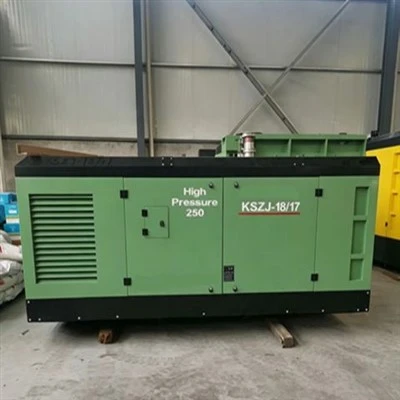
As a trusted supplier of Diesel-powered Air Compressors, I understand the importance of maintaining these machines to ensure their optimal performance. One crucial aspect of maintenance is regularly checking the oil level. In this blog, I'll guide you through the step-by-step process of checking the oil level in a diesel-powered air compressor, and also touch on some related aspects and other products we offer.
Why is Checking Oil Level Important?
Before we dive into the actual process of checking the oil level, let's understand why it is so vital. Oil plays a multi - faceted role in a diesel - powered air compressor. It lubricates the moving parts, reducing friction and wear. This helps in extending the lifespan of the compressor. Additionally, oil helps in cooling the compressor by carrying away heat generated during operation. It also seals the clearances between the moving parts, preventing air leakage and ensuring efficient compression.
If the oil level is too low, the compressor may experience increased friction, leading to overheating and potential damage to the components. On the other hand, if the oil level is too high, it can cause excessive foaming, which can reduce the lubricating properties of the oil and potentially lead to oil carry - over into the compressed air system.
Step - by - Step Guide to Checking the Oil Level
Step 1: Prepare Your Compressor
First, ensure that the compressor has been turned off and has cooled down. This is a safety precaution as hot oil can cause burns if it splashes out during the checking process. Also, working on a hot compressor can be dangerous due to the high - temperature components. If you have just stopped the compressor, wait at least 15 - 20 minutes for it to cool.
Step 2: Locate the Oil Dipstick
The oil dipstick is a long, thin rod with a handle at one end. In most diesel - powered air compressors, it is usually located on the side of the engine or the compressor housing. Refer to your compressor's user manual if you are having trouble finding it. The manual will also provide a detailed diagram of the compressor's various components and their locations.
Step 3: Remove the Dipstick
Grasp the handle of the dipstick firmly and pull it out slowly. Wipe the dipstick clean with a lint - free cloth or paper towel. This ensures that any oil residue from previous checks or the compressor's operation is removed, giving you an accurate reading.
Step 4: Insert the Dipstick
Once the dipstick is clean, insert it fully back into its tube. Make sure it goes in straight and all the way to the bottom. This ensures that the dipstick measures the actual oil level in the compressor's sump.
Step 5: Read the Oil Level
Pull the dipstick out again and look at the end. There are usually markings on the dipstick that indicate the minimum and maximum oil levels. The oil level should be between these two marks. If the oil is at or below the minimum mark, you need to add oil. If it is above the maximum mark, you may need to drain some oil.
Step 6: Add or Drain Oil as Needed
If the oil level is low, use the recommended type of oil for your compressor. Refer to the user manual for the specific oil grade and viscosity. Slowly pour the oil into the oil fill cap, checking the dipstick periodically to avoid over - filling. If the oil level is high, you can drain the excess oil through the oil drain plug. Place a suitable container under the drain plug to catch the oil, and then carefully loosen the plug to let the oil drain.
Other Types of Air Compressors We Offer
Apart from diesel - powered air compressors, we also offer a wide range of other air compressors to meet different customer needs.
If you are looking for a more energy - efficient option, our Electric Screw Air Compressor is an excellent choice. It is designed for continuous operation and offers high - volume air delivery with low energy consumption.
For applications where portability is crucial, our Diesel Mobile Air Compressor is ideal. It can be easily transported to different job sites and is suitable for various industrial and construction applications.
Our Standard Reciprocating Air Compressor is a reliable and cost - effective option for small to medium - sized air - using equipment. It is simple to operate and maintain.
If you are in the water - well industry, our Air Compressor for Wells is specifically designed to meet the requirements of water - well drilling and pumping operations. It provides the right amount of air pressure and volume for efficient well - related tasks.
For large - scale industrial applications, our Industrial Screw Air Compressor offers high - performance and reliable operation. It is built to withstand heavy - duty use and is capable of delivering a large amount of compressed air continuously.
Encouragement to Contact for Procurement
Regular maintenance, such as checking the oil level, is crucial for the proper functioning of your air compressor. Whether you already own one of our diesel - powered air compressors or are considering purchasing a new air compressor for your specific needs, we are here to assist you. Our team of experts can provide you with detailed information about the products, help you choose the right compressor for your application, and offer support in terms of maintenance and after - sales service.
If you are interested in our products, we encourage you to contact us for a procurement discussion. We can offer you competitive prices, high - quality products, and excellent customer service.


References
- Manufacturer's user manuals for diesel - powered air compressors
- Industry standards and guidelines for air compressor maintenance