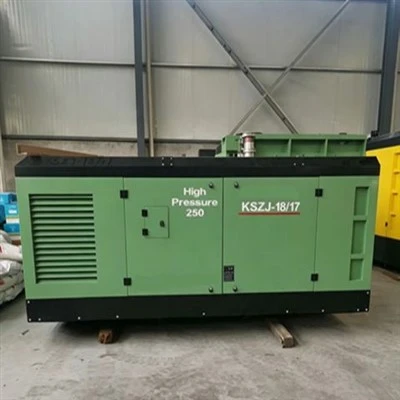
Hey there, folks! If you're into drilling, then you know how important a drill press dust collection system is. As a drill supplier, I've seen firsthand how these systems can make a huge difference in your drilling operations. Let's dive into what a drill press dust collection system is all about.
What Exactly is a Drill Press Dust Collection System?
A drill press dust collection system is a setup designed to suck up and trap the dust and debris that are generated during the drilling process. When you're using a drill press, whether it's for woodworking, metalworking, or any other material, tiny particles are sent flying everywhere. This dust can be a real nuisance, not to mention a health hazard.
If you breathe in the dust, especially over a long period of time, it can lead to respiratory problems. Plus, the dust can settle on your equipment, causing it to wear out faster and potentially malfunction. A good dust collection system helps keep the air clean and your workspace tidy.
How Does It Work?
The basic components of a drill press dust collection system include a dust collector, hoses, and a nozzle or hood. The dust collector is like the heart of the system. It contains a motor that spins a fan, creating suction. This suction pulls the dust and debris through the hose and into the collector.
The hose connects the dust source (the drill press) to the collector. You want to make sure the hose is long enough to reach the drill press comfortably and flexible enough to move around as you work. The nozzle or hood is placed near the drill bit. It's designed to capture the dust right at the source before it has a chance to spread.
Some dust collectors come with filters to trap the dust. These filters can be made of different materials, like paper or fabric. You'll need to clean or replace the filters regularly to keep the system working efficiently.
Why You Need a Drill Press Dust Collection System
Health Reasons
Like I mentioned earlier, breathing in dust can be really bad for your health. Depending on the material you're drilling, the dust particles can have all sorts of harmful substances. For example, if you're drilling wood, the dust can contain mold spores and chemicals from treatments. Drilling metal can produce fine metal particles that can damage your lungs. A dust collection system helps protect you from these health risks by keeping the air in your workspace clean.
Equipment Maintenance
Dust can also be a real pain for your drill press and other equipment. It can get into the moving parts, causing them to wear out more quickly. This means you'll have to spend more money on repairs and replacements. By using a dust collection system, you can keep your equipment clean and extend its lifespan.


Workspace Cleanliness
Let's face it, a messy workspace is not only annoying but can also be a safety hazard. Dust on the floor can make you slip, and a cluttered area can make it harder to find your tools. A dust collection system helps keep your workspace clean and organized, making it a more pleasant and safe place to work.
Different Types of Drill Press Dust Collection Systems
Portable Dust Collectors
These are great for small workshops or for those who need to move their equipment around. Portable dust collectors are usually smaller and lighter than their stationary counterparts. They're easy to set up and can be moved from one drill press to another. However, they may not have as much suction power as larger systems.
Stationary Dust Collectors
If you have a larger workshop and do a lot of drilling, a stationary dust collector might be a better option. These systems are more powerful and can handle a larger volume of dust. They're usually connected to multiple drill presses or other tools in the workshop through a network of hoses. Stationary dust collectors are more permanent installations, but they offer better performance in the long run.
Choosing the Right Drill Bit for Your Project
When you're using a drill press, choosing the right drill bit is just as important as having a good dust collection system. As a drill supplier, I've come across all sorts of drill bits, and here are some popular ones:
- Small Drilling Rig Drill Bit: These are great for small-scale drilling projects. They're usually more precise and can be used in tight spaces.
- Short-neck Drill Bit: Short-neck drill bits are ideal for drilling shallow holes. They're easy to control and can provide a clean cut.
- Long-necked Drill Bit: If you need to drill deep holes, a long-necked drill bit is the way to go. They can reach farther and are suitable for thicker materials.
- Well Drilling Bit: These are specially designed for well drilling projects. They're made to withstand the tough conditions underground and can drill through different types of soil and rock.
- Water Well Roller Cone Drill Bit: This type of drill bit is commonly used in water well drilling. The roller cones help the bit to roll and cut through the material more efficiently.
Setting Up Your Drill Press Dust Collection System
Setting up a drill press dust collection system isn't too complicated, but there are a few things you need to keep in mind. First, you'll need to choose the right location for your dust collector. It should be close enough to the drill press so that the hose can reach easily, but also in a place where it won't get in the way of your work.
Next, connect the hose to the dust collector and the nozzle or hood on the drill press. Make sure the connections are tight to prevent any air leaks. You may need to adjust the position of the nozzle or hood to ensure that it captures the dust effectively.
Once everything is connected, test the system. Turn on the drill press and the dust collector and see if the dust is being sucked up properly. If you notice any problems, like the dust not being collected or the system making strange noises, check the connections and the filters.
Maintaining Your Drill Press Dust Collection System
To keep your dust collection system working at its best, you'll need to do some regular maintenance. This includes cleaning or replacing the filters, checking the hoses for any damage, and lubricating the moving parts of the dust collector.
Cleaning the filters is probably the most important part of maintenance. Depending on how often you use the system, you may need to clean or replace the filters every few weeks or months. Follow the manufacturer's instructions for cleaning or replacing the filters to ensure that the system continues to work efficiently.
Conclusion
So, there you have it, folks! A drill press dust collection system is an essential tool for any drilling project. It helps protect your health, keeps your equipment in good condition, and makes your workspace a more pleasant place to be. And don't forget to choose the right drill bit for your project. We have a wide range of drill bits available, including Small Drilling Rig Drill Bit, Short-neck Drill Bit, Long-necked Drill Bit, Well Drilling Bit, and Water Well Roller Cone Drill Bit.
If you're interested in purchasing a drill press dust collection system or any of our drill bits, feel free to reach out for procurement discussions.
References
- Machinery's Handbook (a widely - used reference for mechanical engineering and manufacturing processes)
- Woodworking magazines and online forums for practical advice on dust collection
- Manufacturer's manuals for drill presses and dust collection systems