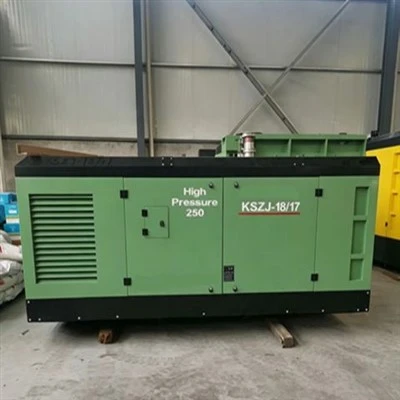
As a supplier of water well machinery, I've witnessed the increasing demand for reliable and efficient equipment in the water well industry. Water well machinery plays a crucial role in accessing groundwater, a vital resource for various sectors such as agriculture, domestic use, and industrial applications. However, it's essential to consider the potential environmental impacts associated with the use of this machinery. In this blog post, I'll explore some of the key environmental aspects related to water well machinery and discuss how we can mitigate these impacts.

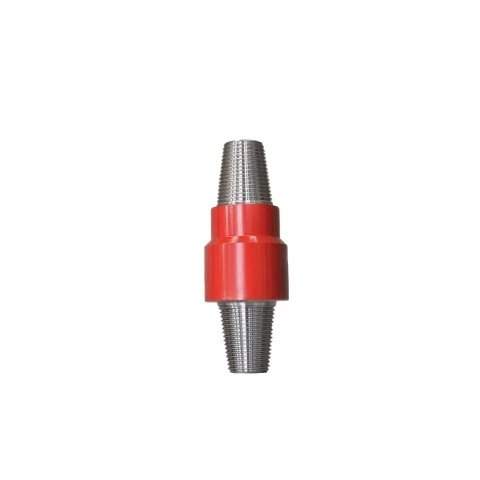
1. Energy Consumption and Greenhouse Gas Emissions
One of the primary environmental concerns associated with water well machinery is its energy consumption. Most water well drilling rigs, pumps, and other equipment rely on fossil fuels or electricity to operate. The combustion of fossil fuels releases greenhouse gases (GHGs) such as carbon dioxide (CO2), methane (CH4), and nitrous oxide (N2O) into the atmosphere, contributing to global warming and climate change.
For example, diesel-powered drilling rigs are commonly used in the water well industry. These rigs burn diesel fuel to generate the power needed for drilling operations. The amount of GHG emissions depends on the size and efficiency of the rig, as well as the duration of the drilling process. Similarly, electric pumps used to extract water from wells consume electricity, which may be generated from fossil fuels in some regions.
To address this issue, manufacturers are increasingly focusing on developing more energy-efficient water well machinery. For instance, some drilling rigs now feature advanced engine technologies that reduce fuel consumption and emissions. Additionally, the use of renewable energy sources such as solar and wind power to operate water well pumps is becoming more widespread. By adopting these technologies, we can significantly reduce the carbon footprint of water well operations.
2. Water Pollution
Another significant environmental impact of water well machinery is the potential for water pollution. During the drilling process, various chemicals and substances are used, including drilling fluids, lubricants, and additives. These substances can contaminate groundwater if not properly managed.
Drilling fluids, for example, are used to cool and lubricate the drill bit, carry cuttings to the surface, and maintain the stability of the borehole. However, some drilling fluids may contain harmful chemicals such as heavy metals, hydrocarbons, and synthetic polymers. If these fluids leak into the groundwater, they can pose a risk to human health and the environment.
In addition to drilling fluids, the disposal of drill cuttings can also contribute to water pollution. Drill cuttings are the rock fragments and sediment that are removed from the borehole during drilling. These cuttings may contain contaminants such as heavy metals and radioactive materials, which can leach into the groundwater if not disposed of properly.
To prevent water pollution, it's essential to use environmentally friendly drilling fluids and additives. These products are designed to minimize the release of harmful chemicals into the environment. Additionally, proper waste management practices should be implemented to ensure the safe disposal of drill cuttings and other waste materials.
3. Land Disturbance
The use of water well machinery can also cause significant land disturbance. Drilling operations typically require the clearing of vegetation, the construction of access roads, and the installation of drilling equipment. These activities can disrupt natural habitats, fragment ecosystems, and lead to soil erosion.
During the drilling process, large areas of land may be compacted by the weight of the drilling rig and other equipment. This compaction can reduce soil porosity and permeability, making it more difficult for water to infiltrate the soil and recharge groundwater. Additionally, the removal of vegetation can increase the risk of soil erosion, as there is no longer a protective cover to hold the soil in place.
To minimize land disturbance, it's important to plan water well projects carefully and choose drilling sites that have the least impact on the environment. For example, drilling operations should be avoided in sensitive areas such as wetlands, forests, and wildlife habitats. Additionally, reclamation and restoration efforts should be carried out after the completion of drilling to restore the land to its original condition.
4. Noise and Vibration Pollution
Water well machinery can generate significant noise and vibration during operation. This can have a negative impact on the surrounding environment and human health. Noise pollution can disrupt wildlife habitats, interfere with communication, and cause stress and hearing loss in humans. Vibration pollution can damage nearby structures and infrastructure, as well as cause discomfort to people living in the vicinity.
To reduce noise and vibration pollution, manufacturers are developing quieter and more vibration-resistant water well machinery. For example, some drilling rigs now feature noise-reducing enclosures and vibration dampening systems. Additionally, proper siting of drilling equipment can help to minimize the impact of noise and vibration on the surrounding environment.
Mitigating the Environmental Impacts
As a water well machinery supplier, we have a responsibility to promote the use of environmentally friendly practices in the industry. Here are some ways we can mitigate the environmental impacts of using water well machinery:
1. Provide Education and Training
We can offer education and training programs to our customers on the proper use and maintenance of water well machinery. This includes training on the use of environmentally friendly drilling fluids, waste management practices, and energy-efficient operation. By educating our customers, we can help them reduce their environmental impact and operate more sustainably.
2. Offer Environmentally Friendly Products
We can source and supply water well machinery that is designed to be more energy-efficient, use environmentally friendly materials, and minimize the release of pollutants. For example, we can offer Water Well Drill Pipe made from recycled materials, Drilling Rig Alloy Drill Bits that are more durable and require less frequent replacement, and Well Drilling Impactor that operate with less noise and vibration.
3. Support Research and Development
We can support research and development efforts to improve the environmental performance of water well machinery. This includes investing in new technologies and materials that can reduce energy consumption, minimize water pollution, and mitigate land disturbance. By supporting innovation in the industry, we can help to create a more sustainable future for water well operations.
4. Collaborate with Environmental Organizations
We can collaborate with environmental organizations and government agencies to develop and implement best practices for water well operations. This includes participating in environmental monitoring programs, supporting conservation efforts, and advocating for policies that promote sustainable use of water resources. By working together, we can ensure that the water well industry operates in an environmentally responsible manner.
Conclusion
In conclusion, while water well machinery plays a vital role in accessing groundwater, it's important to recognize and address the potential environmental impacts associated with its use. By taking steps to reduce energy consumption, prevent water pollution, minimize land disturbance, and mitigate noise and vibration pollution, we can ensure that water well operations are carried out in a sustainable manner.
As a water well machinery supplier, we are committed to providing our customers with high-quality, environmentally friendly products and services. We believe that by working together, we can create a more sustainable future for the water well industry and the environment.
If you're interested in learning more about our water well machinery or discussing how we can help you reduce your environmental impact, please don't hesitate to [reach out to us]. We'd be happy to discuss your specific needs and provide you with a customized solution.
References
- American Petroleum Institute. (20XX). Environmental Guidelines for Drilling and Production Operations.
- United States Environmental Protection Agency. (20XX). Groundwater Protection Program.
- World Health Organization. (20XX). Guidelines for Drinking-Water Quality.